By Bali Hand Made Jewelry Editorial Desk
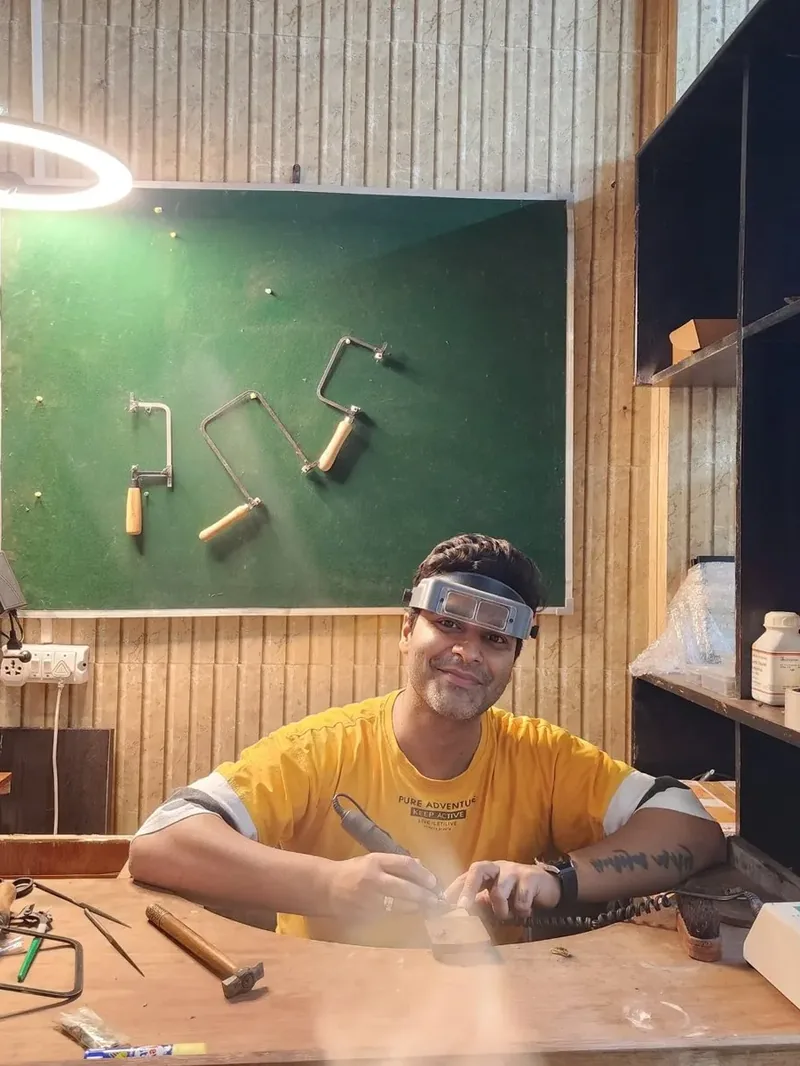
As a trade buyer exploring the unique offerings of Balinese jewelry, understanding the methods behind each piece is crucial. Celuk village in Gianyar, Indonesia, stands as a beacon of silver- and gold-smithing excellence. Here, artisans employ the lost wax casting technique, a method that defines the intricacy and quality of Bali handmade jewelry. This page delves into the specifics of lost wax casting, its applications, and its implications for cost and aesthetics.
Understanding Lost Wax Casting in Jewelry Making
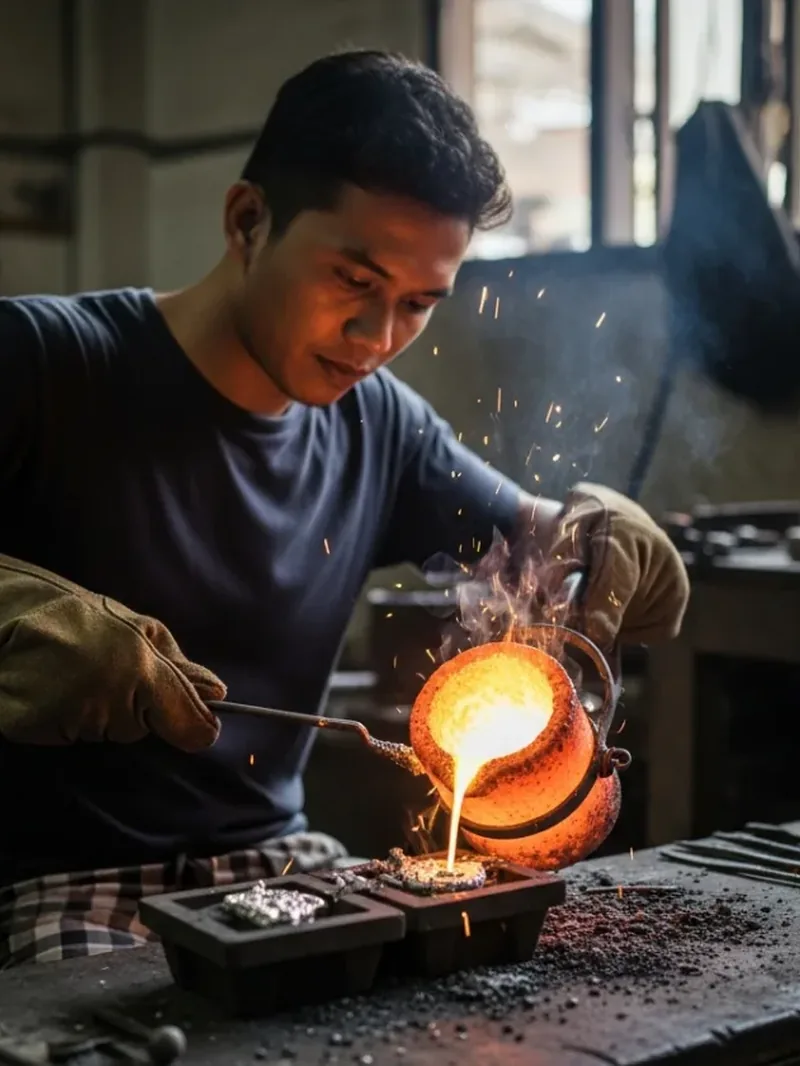
Lost wax casting, also known as cire perdue, is a time-honored method that has been used for centuries in jewelry making. This technique allows artisans to create intricate and precise designs, a hallmark of Balinese craftsmanship. The process begins with the creation of a detailed wax model of the jewelry piece. This model is then encased in a mold material, typically a form of plaster or clay. Once the mold hardens, the wax is melted away, leaving a cavity in the shape of the desired piece. Molten metal, such as 925 sterling silver or gold vermeil, is then poured into the cavity, forming the final jewelry piece. This method is ideal for producing complex designs that would be challenging to achieve through other means. The attention to detail and the ability to replicate designs with precision make lost wax casting a preferred choice for custom and wholesale orders.
When to Use Lost Wax Casting
Lost wax casting is particularly suitable for designs that require fine detail and complexity. It is the method of choice for creating pieces with intricate patterns, filigree work, and unique textures that are characteristic of Balinese jewelry. This method is also advantageous when producing multiple copies of a design, as the mold can be reused to cast several identical pieces. For trade buyers, this means consistency in design and quality across large orders. Lost wax casting is also preferred when working with precious metals like 925 sterling silver and gold vermeil, ensuring each piece meets export quality standards. The ability to produce detailed and consistent pieces makes lost wax casting ideal for boutique retailers and independent designers looking to offer unique and high-quality jewelry collections.
Comparing Lost Wax Casting with Hand-Fabrication
While lost wax casting offers precision and the ability to replicate intricate designs, hand-fabrication is another essential technique used by Balinese artisans. Hand-fabrication involves manually shaping and assembling metal pieces to create jewelry. This method is often used for simpler designs or when a more organic, handmade look is desired. In terms of cost, hand-fabrication can be more labor-intensive, particularly for complex designs, which can affect pricing. However, it allows for greater flexibility in customizing pieces during the creation process. The choice between lost wax casting and hand-fabrication depends on the design requirements and the desired aesthetic. For trade buyers, understanding these methods helps in selecting the right technique for your specific jewelry needs.
Materials Used in Lost Wax Casting Jewelry
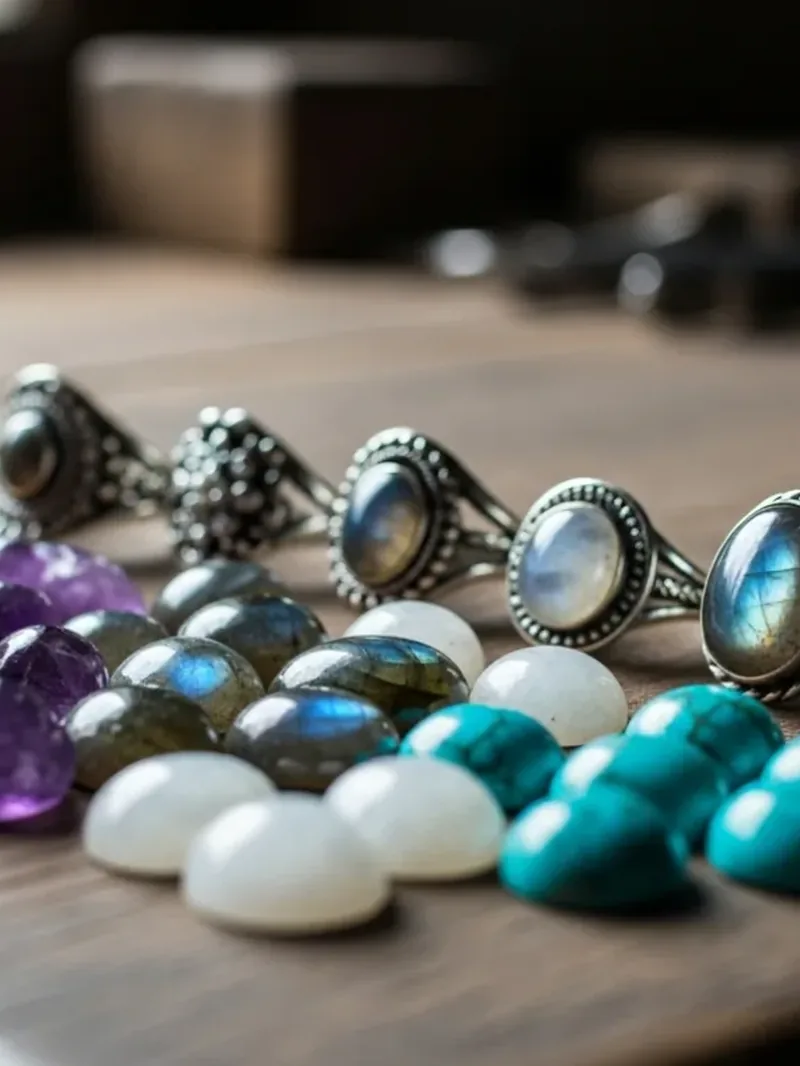
Balinese artisans utilize a variety of materials in lost wax casting to achieve different looks and price points. The most common material is 925 sterling silver, which consists of 92.5% pure silver and is the standard for export-quality jewelry. Gold vermeil, a thick layer of gold over sterling silver, is also popular for those seeking the appearance of gold at a lower cost. For high-end pieces, solid gold in 14k or 18k is used, offering durability and a luxurious finish. Other materials include brass and bronze, which provide unique color options at a more accessible price. Additionally, natural gemstones such as turquoise, lapis lazuli, and moonstone are frequently set in lost wax cast pieces, adding value and appeal to the designs. Understanding the materials available allows trade buyers to make informed decisions based on their market and customer preferences.
Quality Assurance and Compliance
Quality and compliance are paramount in the production of lost wax casting jewelry. Each piece is stamped with a 925 hallmark for sterling silver, ensuring authenticity and quality. Independent assay or hallmarking can be arranged upon request, particularly for markets like the UK where it is required. Balinese jewelry can be manufactured to meet nickel-free and lead/cadmium-compliant standards for EU (REACH/Nickel Directive) and US buyers. It is important for trade buyers to confirm specific compliance needs per market to ensure adherence to local regulations. By prioritizing quality and compliance, Balinese artisans provide peace of mind to buyers, ensuring that each piece meets international standards.
Order Quantities and Customization Options
One of the advantages of sourcing from Bali is the flexibility in order quantities and customization options. Minimum order quantities (MOQs) for jewelry are relatively low, typically requiring only tens of pieces per design. This flexibility is beneficial for first-time buyers and those looking to test new designs in their markets. Mixed-design orders are welcome, allowing buyers to sample a variety of styles. Custom production to a buyer’s drawings, CAD files, or reference samples is available, along with private-label stamping and custom packaging. In-house design support (ODM) is also offered for those needing assistance in creating unique pieces. This level of customization ensures that trade buyers can offer distinctive and personalized jewelry to their customers.
Export and Shipping Considerations
Due to its small size and high value, jewelry is ideally suited for air shipment. Balinese jewelry can be shipped via international courier services like DHL or FedEx, or by air freight, with fast transit times typically within days, depending on the route. Shipping can be arranged FOB from Bali (Denpasar/Benoa) or CIF/courier-delivered on request. Insured shipping ensures that the jewelry arrives safely and securely to its destination. Understanding the logistics of export and shipping is crucial for trade buyers to plan their inventory and meet market demands efficiently.
For more information on our handmade artisan jewelry from Celuk, visit our dedicated page. If you are interested in custom or private label jewelry, explore our customization options. To discuss your specific requirements and receive a tailored quote, please contact us via WhatsApp at +62 811-3941-4563 or email at [email protected]. We look forward to assisting you in bringing the exquisite craftsmanship of Balinese jewelry to your market.