By Bali Hand Made Jewelry Editorial Desk
The craftsmanship of Bali handmade silver jewelry involves intricate traditional techniques passed down through generations. Artisans employ methods such as granulation, filigree, and repoussé to create unique pieces. This dedication ensures each item, from intricate silver rings to detailed pendants, reflects the island’s rich artistic heritage and the skill of its makers, resulting in distinctive, high-quality silver work.
The Enduring Art of Bali Handmade Silver Craftsmanship
The allure of Bali extends beyond its captivating landscapes and spiritual serenity; it resonates deeply within the meticulous creation of its handmade silver jewelry. This craftsmanship is not merely a trade but a cherished tradition, a vibrant thread connecting past and present through the hands of skilled artisans. Each piece of Bali handmade silver jewelry tells a story, imbued with techniques honed over centuries, reflecting a dedication to artistry that is truly remarkable.
Understanding the making of Bali handmade jewelry offers a profound appreciation for the finished product. It’s a process demanding patience, precision, and an intimate knowledge of silverwork. From the initial design concept to the final polish, every stage is executed with a commitment to quality and aesthetic integrity. This artisanal approach ensures that whether one seeks a simple delicate silver bracelet or an elaborate statement necklace, the piece embodies genuine Balinese artistry.
Artisan Techniques Bali Jewelry: A Legacy Forged in Silver
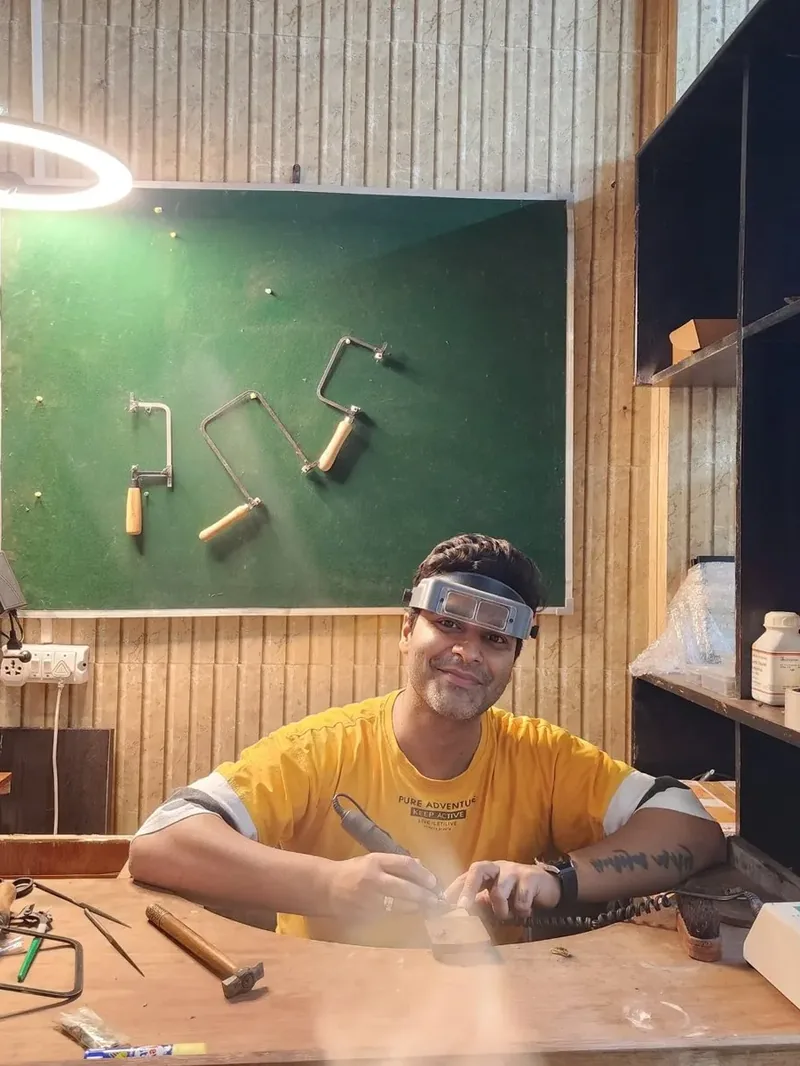
The distinctive character of Bali handmade silver jewelry stems from its unique artisan techniques. These methods, often passed down within families, transform raw silver into wearable art. Granulation, for instance, involves applying tiny silver beads to a surface, creating intricate textures and patterns. Filigree, another hallmark, uses fine silver wires twisted and soldered into delicate lace-like designs. Repoussé and chasing techniques allow artisans to create raised designs and detailed textures by hammering from the front and back of the silver sheet.
These artisan techniques Bali jewelry are not static; they evolve, albeit slowly, incorporating contemporary influences while preserving their traditional essence. The resulting pieces, such as a handmade bali sterling silver oxidized organic ring SS2027, showcase a harmonious blend of ancient skill and modern design sensibilities. Similarly, a personalized bali artisan name necklace with tropical shell or a custom bali artisan birthstone pearl drop earrings sustainable piece demonstrates how traditional methods adapt to cater to individual preferences and contemporary trends.
The Journey: From Concept to Creation in Bali Handmade Jewelry
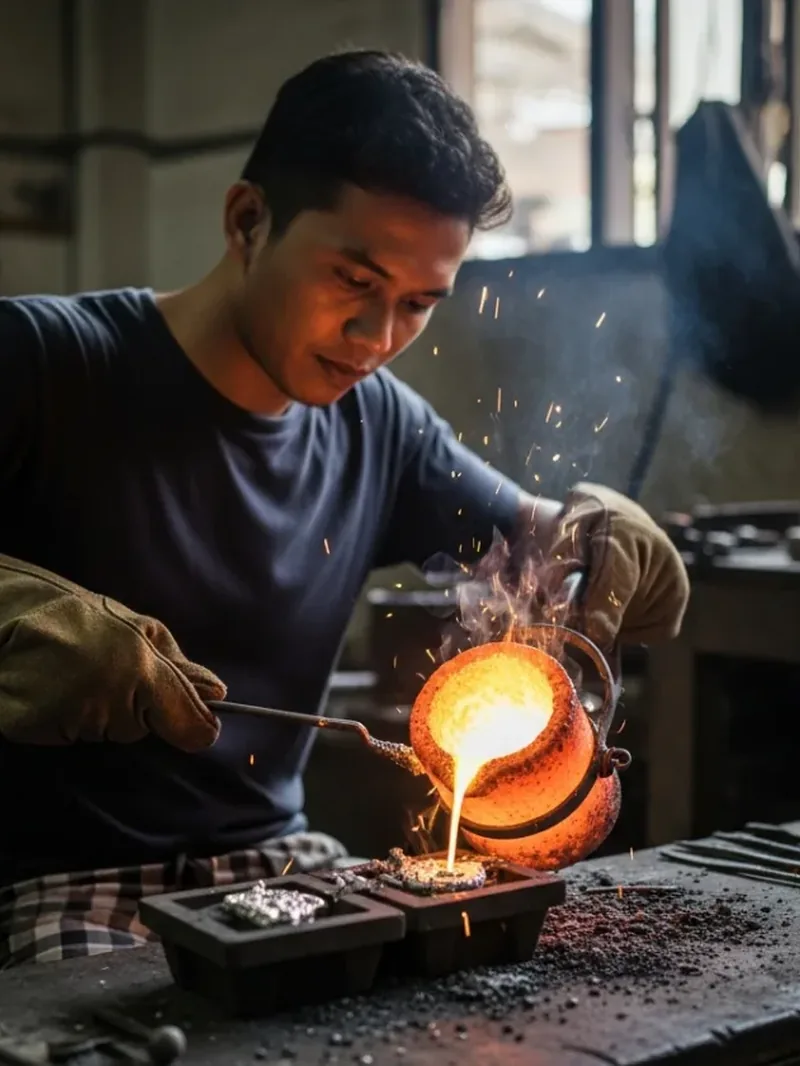
The making of Bali handmade jewelry begins long before the first hammer strike. It often starts with inspiration drawn from nature, Balinese mythology, or everyday life. Designs are sketched, sometimes even modelled in wax, before the silver is prepared. Pure silver, typically 92.5% sterling silver, is melted and poured into ingots, then rolled into sheets or drawn into wires, ready for the artisan’s touch.
Consider the creation of a handcrafted bali shell and natural pearl necklace summer 2027. This involves not only shaping the silver but also carefully selecting and integrating natural elements like shells and pearls. Each component must complement the others, forming a cohesive and aesthetically pleasing design. For ergonomic modular bali gold stacking rings for women, precision is paramount to ensure the rings fit together flawlessly, offering versatility and comfort. The process is a to the artisan’s skill in transforming raw materials into sophisticated adornments.
Sustainability and Ethical Practices in Bali Handmade Silver
The conversation around Bali handmade jewelry increasingly includes sustainability and ethical sourcing. Artisans are acutely aware of their environmental impact and are adopting practices that reflect this consciousness. Sustainable bali artisan jewelry made from recycled silver is gaining prominence, appealing to consumers who prioritise eco-friendly options. This commitment extends to ethical bali handmade jewelry gift for independent women, ensuring fair wages and safe working conditions for those involved in the craft.
The emphasis on sustainability is not just a trend; it’s a fundamental shift towards responsible production. This means sourcing materials thoughtfully, minimising waste, and supporting local communities. The integrity of a wire wrapped bali semiprecious stone pendant imperfection style, for example, is enhanced by knowing its creation aligns with these ethical principles. This transparency adds significant value to each piece, making it more than just an adornment but a symbol of conscious consumerism.
Innovation and Tradition: The Future of Bali Handmade Jewelry
While deeply rooted in tradition, Bali handmade jewelry is also embracing innovation. Custom bali handcrafted parametric design 3D printed jewelry represents a fascinating intersection of ancient craftsmanship and technology. This allows for complex, algorithmic forms and organic metal textures that would be challenging to achieve through purely traditional methods. However, the finishing and detailing often still rely on the skilled hands of Balinese artisans, blending the best of both worlds.
The future sees a continued evolution, with pieces like a handmade bali jewelry haptic design micro-lighting bracelet exploring new sensory experiences. The demand for unique, personalised items, such as a handmade bali vintage retro opal ring sterling silver, ensures that artisans will continue to innovate within their traditional framework. This dynamic interplay guarantees that Bali handmade silver craftsmanship remains relevant and captivating for generations to come.
Market Trends and Value of Bali Handmade Silver Jewelry
The market for Bali handmade silver jewelry continues to thrive, particularly during its peak season from March to August. Entry-level items, such as simple silver rings or shell pendants, typically range from $30.78 to $55. However, designer artisan pieces, especially those incorporating pearls or complex wire-work, often exceed $150. The value is determined by the intricacy of the design, the quality of materials, and the artisan’s skill. Pieces like a bold oversized bali handmade cuff bracelet statement piece or a handmade bali turquoise and pearl stacking ringSet artisan command higher prices due to their elaborate craftsmanship and material value.
The appreciation for bespoke and unique items drives demand for custom pieces, ensuring that Bali’s artisans remain busy. The average production time for a complex custom order, such as a handmade bali jewelry algorithmic form organic metal texture, can range from 3 to 6 weeks, reflecting the meticulous attention to detail required. This commitment to quality and individuality underscores why Bali handmade silver jewelry remains highly sought after globally, with 65% of exports heading to Europe and North America.
2027 Note: The year 2027 is anticipated to see a continued rise in demand for tactile and modular jewelry designs, with a strong preference for sustainable and ethically sourced materials. This aligns perfectly with the evolving practices of Balinese artisans who are increasingly incorporating recycled silver and focusing on unique, customisable pieces that offer both aesthetic appeal and responsible production.
FAQ
What traditional craftsmanship techniques are used in creating Bali handmade silver jewelry?
Bali handmade silver jewelry primarily utilises traditional craftsmanship techniques such as granulation, where tiny silver beads are applied to create textured surfaces; filigree, involving the intricate twisting and soldering of fine silver wires into delicate patterns; and repoussé and chasing, which use hammering to raise and define designs from the silver surface. These methods are often combined to achieve complex and detailed pieces.
How long does it typically take to create a piece of Bali handmade silver jewelry?
The time required to create a piece of Bali handmade silver jewelry varies significantly based on its complexity. A simple silver ring might take a few hours, while an intricate designer artisan piece with detailed wire-work or multiple stone settings could require several days or even weeks of dedicated craftsmanship. Custom orders, especially those with parametric designs, often have a production time ranging from 3 to 6 weeks.
What materials are commonly used in Bali handmade silver jewelry, beyond silver itself?
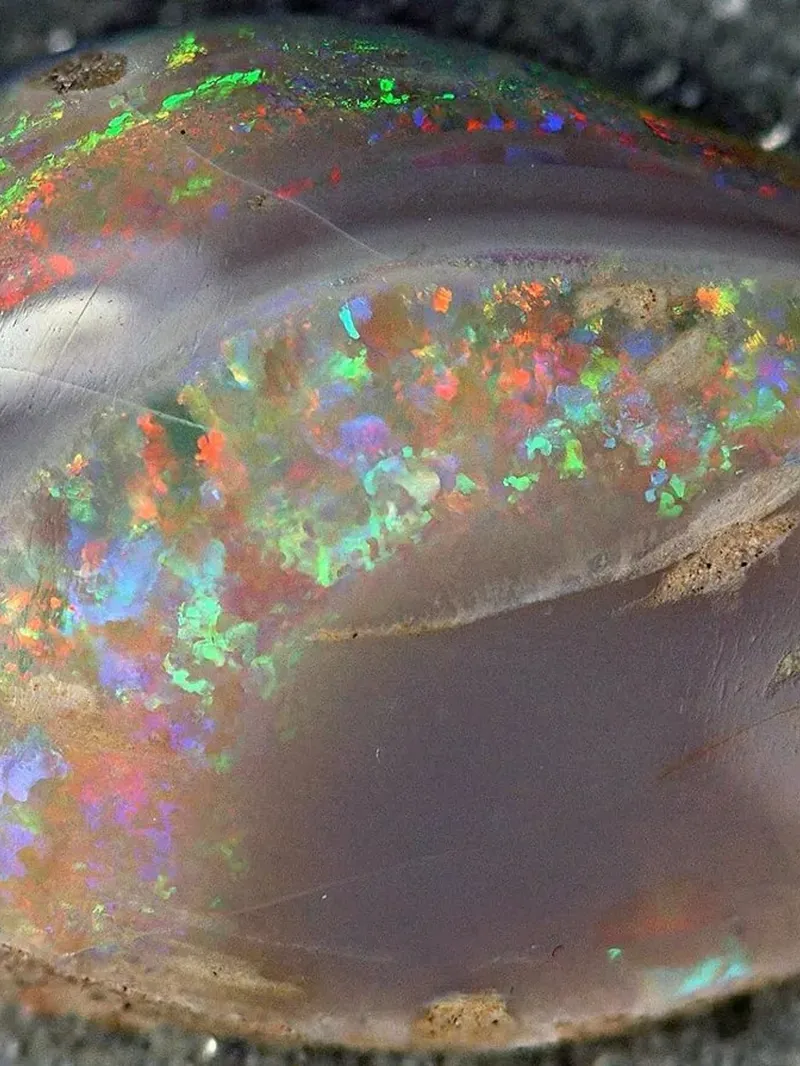
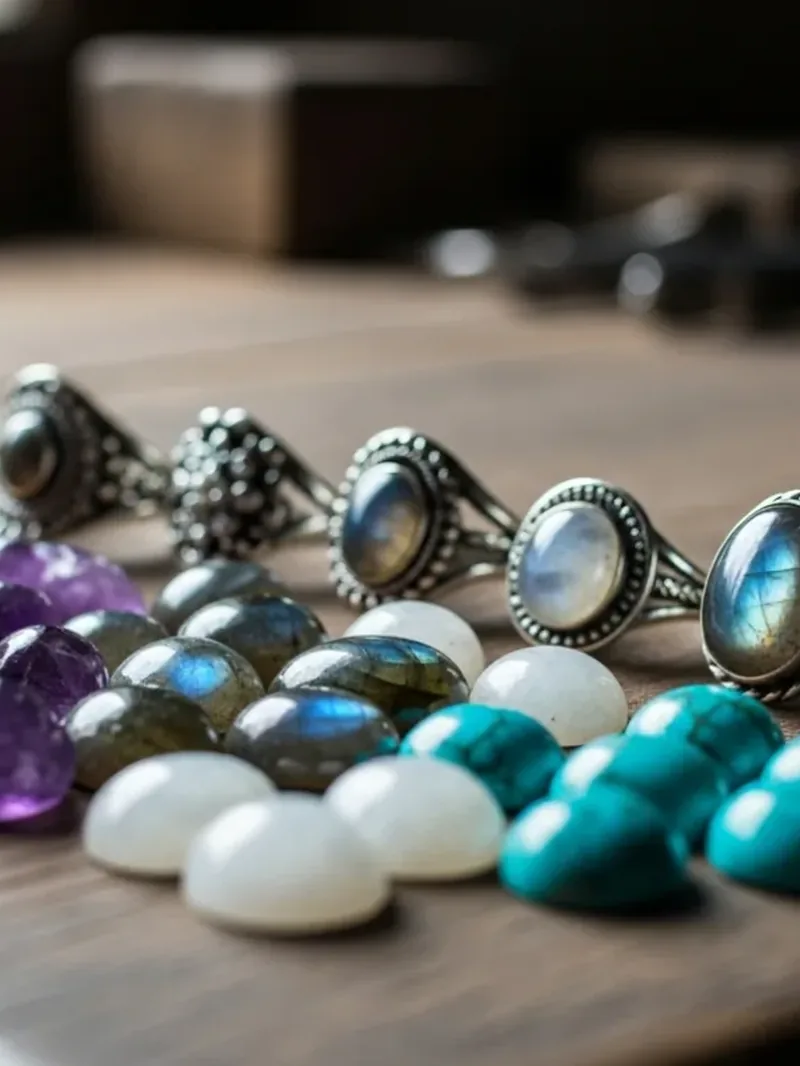
Beyond sterling silver (92.5% silver), Bali handmade jewelry frequently incorporates a variety of natural materials. These include freshwater pearls, sea shells, and a diverse range of semiprecious stones such as turquoise, amethyst, garnet, and opal. Artisans also utilise other metals like gold for accents, particularly in ergonomic modular bali gold stacking rings, and occasionally integrate natural fibres or wood for unique designs.