By Bali Hand Made Jewelry Editorial Desk
For boutique retailers and online stores, sourcing jewelry from Bali is a compelling opportunity. With its rich tradition of silversmithing and goldsmithing centered in Celuk village, Bali offers a unique blend of craftsmanship and commercial viability. The island is renowned for its skilled artisans who produce high-quality, handmade jewelry using techniques such as lost-wax casting, hand-fabrication, and intricate granulation. Whether you are a jewelry wholesaler or an independent designer, Bali provides an array of options tailored to your specific business needs.
Understanding Bali’s Jewelry Craftsmanship
Bali’s jewelry is crafted predominantly in the village of Celuk, part of the Gianyar region. This area is recognized for its exceptional silver- and gold-smithing skills that have been honed over generations. Artisans in Celuk, along with those in Mas and Kamasan, employ a range of techniques including lost-wax casting, hand-fabrication, and filigree. The fine beadwork known as jawan, stone-setting, and hand-engraving further distinguish Balinese jewelry. Each piece reflects a commitment to quality and a deep respect for traditional craftsmanship. This heritage is a significant selling point for retailers looking to offer unique and culturally rich products to their customers. For more on Celuk’s history, visit Celuk Wikipedia.
Materials and Quality Standards
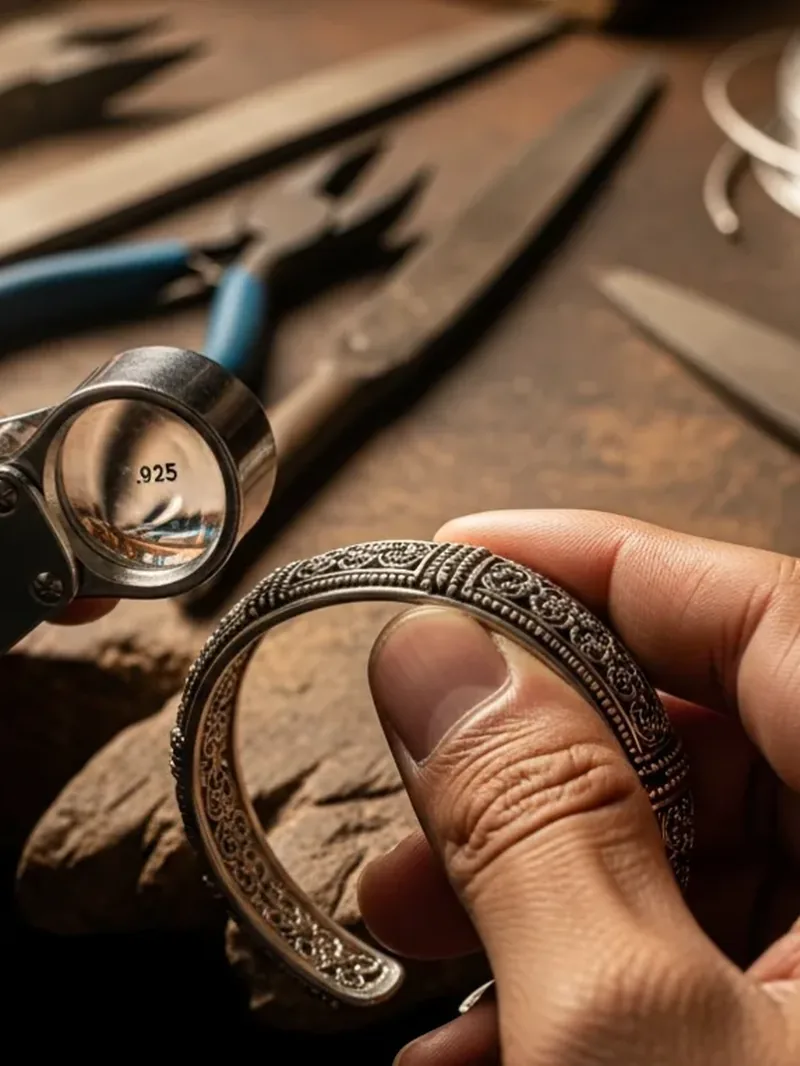
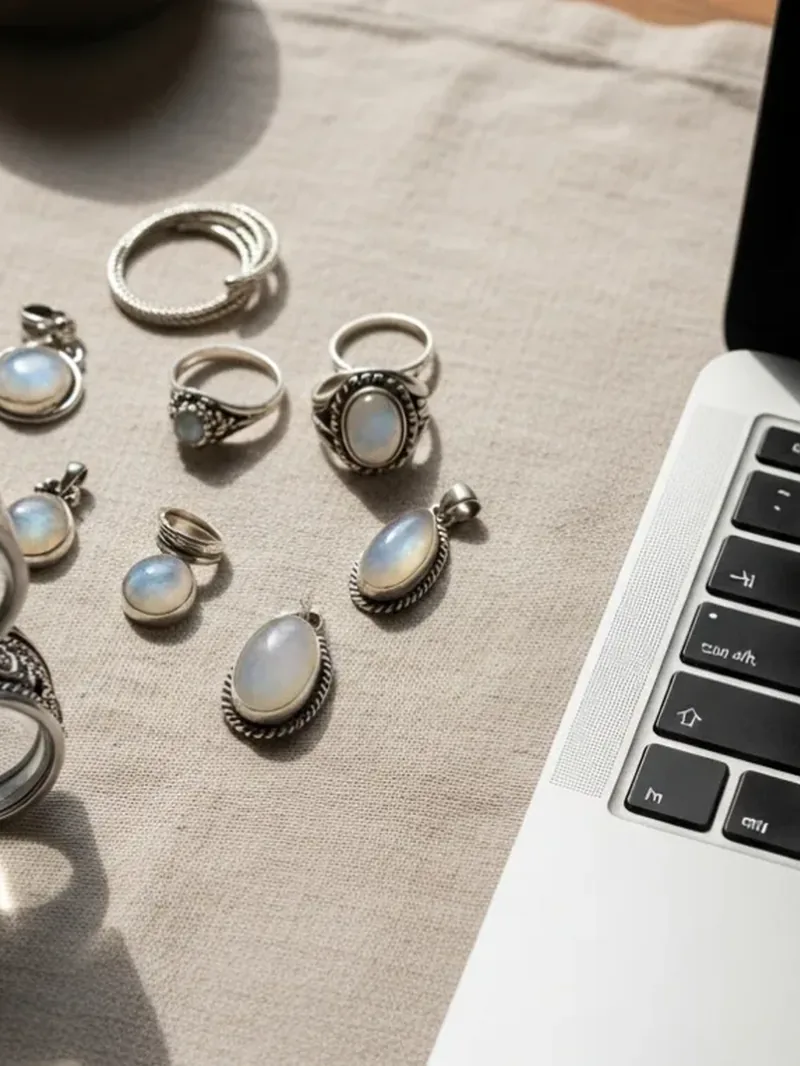
The materials used in Bali’s jewelry are as varied as they are high-quality. The standard for export is 925 sterling silver, containing 92.5% pure silver. Other materials include fine silver (999), gold vermeil, and solid gold in 14k and 18k varieties. Brass and bronze are also used, often set with natural gemstones like turquoise and lapis lazuli. Bali’s proximity to Lombok and Sumbawa, significant pearl-producing regions, ensures a steady supply of freshwater and South Sea pearls. Each piece is stamped with a 925 hallmark for sterling silver, and independent assay or hallmarking can be arranged upon request. For compliance with EU and US standards, nickel-free and lead/cadmium-compliant options are available but must be confirmed per market requirements. More on sterling silver can be found at Sterling Silver Wikipedia.
Flexible MOQ and Order Options
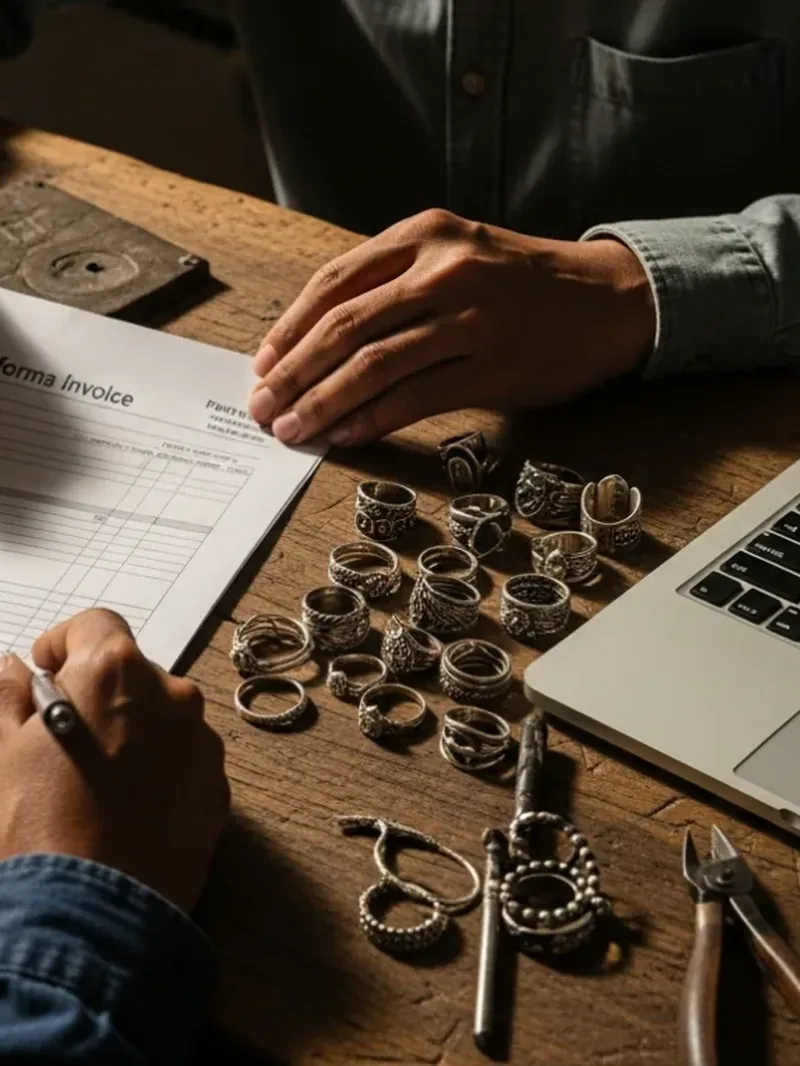
One of the key advantages of sourcing from Bali is the flexibility in minimum order quantities (MOQ). Unlike bulkier goods, jewelry typically requires a modest minimum per design, often just tens of pieces. This flexibility is particularly beneficial for new buyers or those testing the market. Mixed-design orders are welcomed, allowing retailers to offer a diverse range of products without significant upfront investment. Sampling is an integral part of the process, enabling buyers to assess quality and design before committing to larger orders. Such flexibility ensures that even small retailers can source competitively and efficiently. For more detailed information, visit our wholesale jewelry guide.
Custom and OEM Production
Bali offers extensive options for custom and OEM production. Buyers can provide drawings, CAD files, or reference samples to create unique, bespoke pieces. This is an excellent opportunity for brands looking to develop private-label collections. Additional services such as private-label stamping and custom packaging are available, further enhancing brand identity. In-house design support (ODM) is also offered, ensuring that even the most intricate designs can be realized with precision. The combination of skilled craftsmanship and modern technology allows for a seamless transition from concept to finished product. Explore options for your brand at private label jewelry.
Efficient Export and Shipping Processes
Given the high value and compact nature of jewelry, air shipping is the preferred method for exports from Bali. International couriers like DHL and FedEx offer fast transit times, typically within days, depending on the route. Orders can be shipped FOB from Bali (Denpasar/Benoa) or CIF/courier-delivered upon request, with insured shipping to safeguard your investment. This ensures that your orders arrive promptly and in excellent condition, ready for retail. The efficiency of Bali’s export processes makes it a reliable choice for regular shipments to major markets, including the US, EU, UK, Australia, Japan, and the Middle East.
Lead Times and Payment Terms
The lead time for sampling ranges from 1 to 3 weeks, while bulk production typically takes between 3 to 6 weeks, depending on the order’s complexity and quantity. These timelines allow for careful crafting and quality assurance while maintaining commercial viability. Payment terms are straightforward, with a standard deposit of around 50% required, and the balance payable before shipment. Payments are usually made via T/T transfer, with escrow options available for first-time orders to ensure buyer confidence. This structured approach to lead times and payment terms ensures a smooth and transparent transaction process.
Market Reach and Compliance
Bali’s jewelry reaches a global audience, with regular shipments to the US, EU, UK, Australia, Japan, and the Middle East. Each market has specific compliance requirements, particularly regarding nickel and lead content. Bali’s producers offer compliant options for both the EU’s REACH regulations and the US market, ensuring that your products meet all necessary standards. Confirming compliance needs per market is crucial to maintaining product integrity and customer trust. For more information on EU compliance, visit ECHA.
The Role of Technology in Balinese Jewelry Manufacturing
In recent years, the integration of technology in Balinese jewelry manufacturing has significantly enhanced the precision and efficiency of production processes. Computer-aided design (CAD) systems are increasingly used to create intricate designs that might be challenging to achieve by hand. This technology allows for detailed customization and the ability to visualize designs in 3D before production begins. Additionally, laser engraving and cutting tools have been adopted to ensure accuracy in designs and reduce production times. These advancements complement the traditional skills of Balinese artisans, resulting in jewelry that is both innovative and rooted in age-old techniques. The fusion of tradition and technology ensures that Bali remains at the forefront of the jewelry industry, offering products that meet contemporary tastes while preserving cultural authenticity.
Sustainability and Ethical Practices in Jewelry Production
Sustainability and ethical practices are increasingly important in the global jewelry market, and Bali is no exception. Many Balinese jewelry producers are committed to environmentally friendly practices, such as using recycled metals and responsibly sourced gemstones. Efforts are made to minimize waste during the production process, and some workshops operate on solar power to reduce carbon footprints. Ethical labor practices are also a priority, with fair wages and safe working conditions for artisans. By choosing Bali as a sourcing destination, retailers can align their brands with values of sustainability and social responsibility, appealing to the growing segment of consumers who prioritize ethical consumption. This commitment to sustainable practices not only benefits the environment and local communities but also enhances the reputation of Bali’s jewelry industry on the global stage.
Ready to explore the possibilities of Bali’s handmade jewelry for your boutique? Contact us today to discuss your requirements and receive a tailored quote. Our team is here to assist with all aspects of the sourcing process, ensuring you receive the highest quality products at competitive margins. Reach out via WhatsApp at +62 811-3941-4563 or email at [email protected]. Visit our contact page for more details.