By Bali Hand Made Jewelry Editorial Desk
Choosing the right handmade jewellery for a liveaboard diving expedition requires careful consideration of durability, material suitability for marine environments, and practicality. Pieces should be resilient to saltwater exposure, secure during activity, and comfortable for extended wear, ensuring they complement rather than hinder your diving experience.
Liveaboard diving expeditions offer an opportunity to explore remote underwater landscapes, and for enthusiasts of handmade jewellery, the question often arises: what sort of pieces are genuinely suitable for such an adventure? The focus for liveaboard diving is on practicality, safety, and enjoying the marine environment. This guide explores how handmade jewellery can fit into that experience, emphasising materials, designs, and considerations for divers.
Understanding the Liveaboard Diving Environment
A liveaboard trip means extended periods at sea, often in tropical climates, with multiple dives daily. This environment is demanding on personal items. Saltwater, humidity, and sun exposure are constant factors. When considering handmade jewellery, these conditions dictate material choice and design significantly.
Liveaboard itineraries are typically structured, with standard routes being 4 days/3 nights (short), 7 days/6 nights (full), or 8–10 days (extended). A 7-day trip usually standardises 5 days of diving, with 3–4 dives daily, and sometimes a 5th or night dive if conditions allow. This translates to 15–30 dives per trip, meaning jewellery will be exposed to water repeatedly. For those planning a trip, Raja Ampat liveaboards are best booked between October and April, while Bahamas/Cat Pplau options are available until December 2, 2027.
Material Considerations for Marine Environments
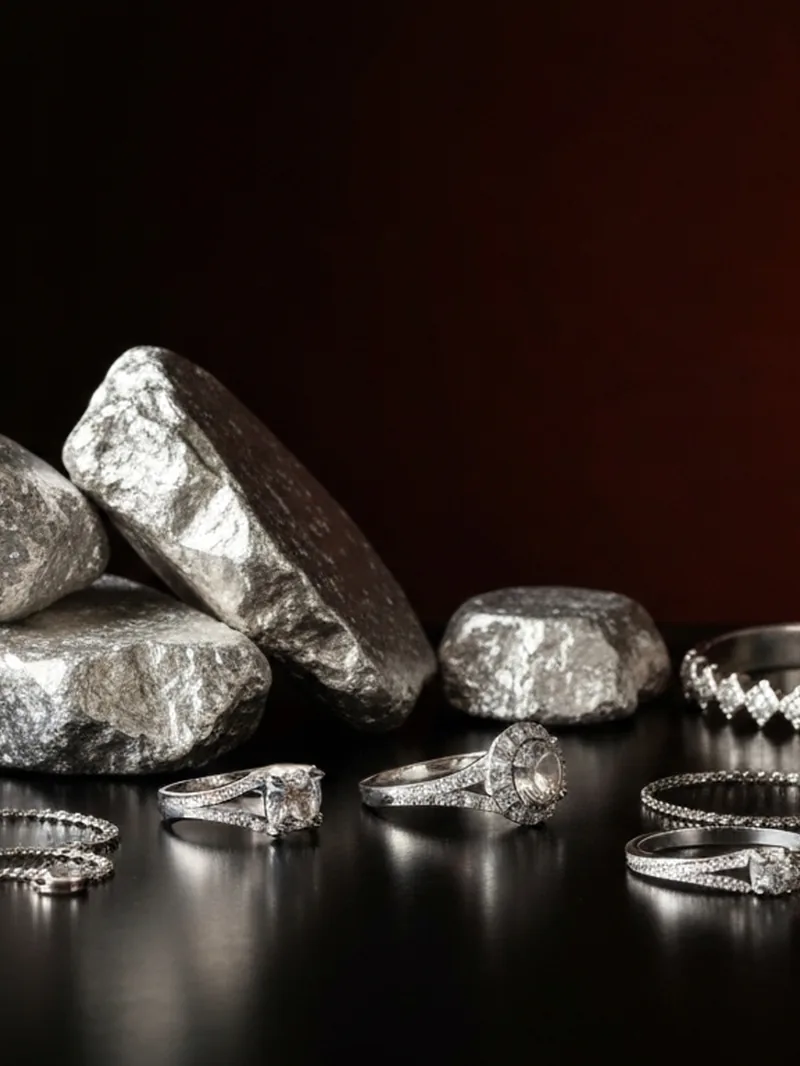
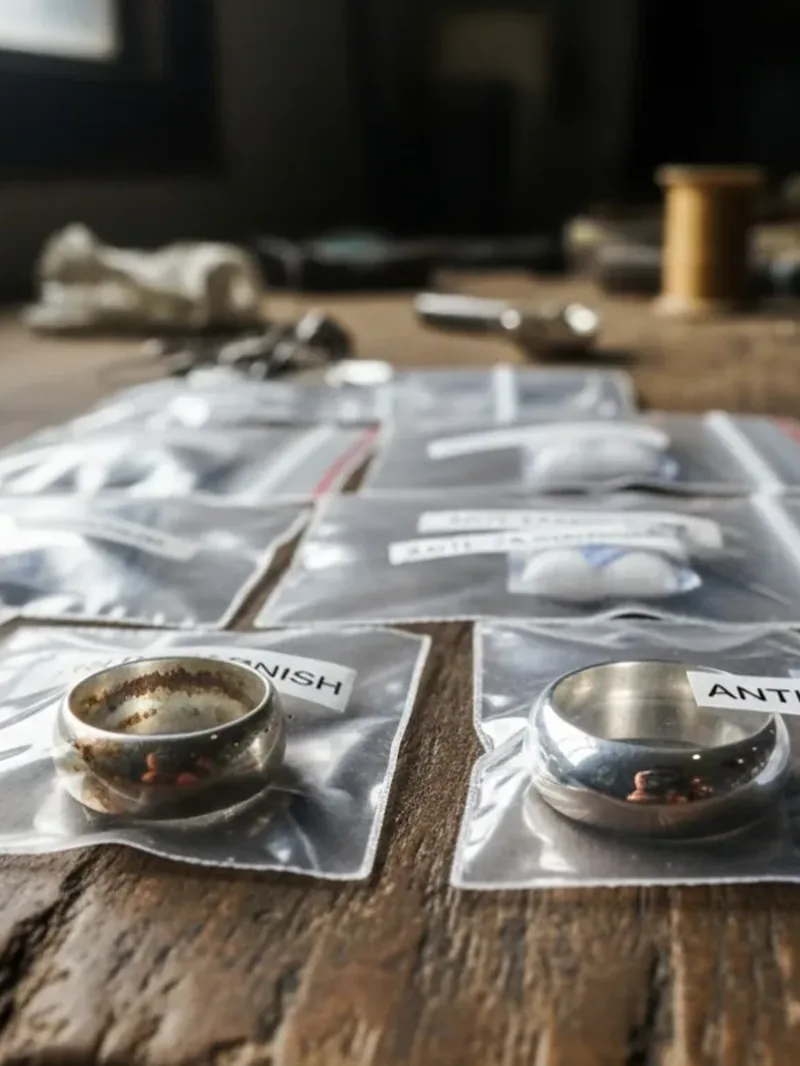
The selection of materials for handmade jewellery intended for a liveaboard must prioritise resistance to corrosion and wear from saltwater. Sterling silver, while beautiful, can tarnish more rapidly in a marine environment. Gold, particularly 14k or 18k, offers better resistance, but its softness and value make it less ideal for active diving.
- Stainless Steel: This is an excellent choice for its corrosion resistance and durability. Handmade pieces incorporating marine-grade stainless steel can withstand the elements well.
- Titanium: Lightweight, incredibly strong, and highly resistant to corrosion, titanium is a superb material for activewear jewellery. It’s also hypoallergenic.
- Silicone: For rings and bracelets, silicone offers a flexible, comfortable, and completely inert option. It won’t react with saltwater and is safe to wear during dives.
- Natural Fibres (Waxed Cotton/Hemp): For necklaces or bracelets, waxed natural fibres can be durable in water, though they may take longer to dry than synthetic alternatives.
- Gemstones: Hard, non-porous stones like sapphires or diamonds are generally safe, but their settings must be extremely secure. Softer, porous stones or those treated with dyes may degrade or discolour.
Design and Security: Practicality Underwater
Beyond materials, the design of handmade jewellery is crucial for liveaboard diving. Loose, dangling pieces can snag on equipment or coral, posing both a safety risk and a potential for damage. Security is paramount.
- Rings: Consider silicone rings or plain, securely fitted metal bands. Large, ornate rings can be uncomfortable with dive gloves or catch on gear.
- Necklaces: Short, close-fitting necklaces with robust clasps are preferable. Long chains can get tangled. Pendants should be smooth and not prone to snagging.
- Bracelets: Securely fastened bracelets that don’t slide excessively are best. Bangles or charm bracelets with many dangling elements are generally unsuitable.
- Earrings: Studs or small, secure hoops are ideal. Dangling earrings can be lost easily or cause discomfort under a dive mask.
Logistics and Costs of Liveaboard Diving in 2027
Planning a liveaboard trip involves understanding the associated costs and logistical requirements. The minimum certification for most trips is Open Water, though Advanced Open Water is often needed for more technical or current-heavy sites.
| Category | Daily Rate (Per Person) | Total Trip Cost (Per Trip) | Notes |
|---|---|---|---|
| Budget Tier | $150 – $250 | $1,400 – $2,400 | Shared cabin, 3–4 dives, 3 meals |
| Mid-Range Tier | $300 – $500 | $2,800 – $4,200 | Ensuite cabin, optional Nitrox |
| Luxury Tier | $600+ | $4,800 – $7,500+ | Suite cabin, fine dining, premium service |
| Indonesia Specific (6 Nights, June 2027) | – | Starts from $3,630 | Specific travel dates: Jun 12–25, 2027 |
| Indonesia Specific (13/14 Nights, June/July 2027) | – | Starts from $6,930 | Specific travel dates: Jun 27–Jul 10, 2027 or Jun 20–Jul 04, 2027 |
| Dewi Nusantara (Scuba Show Special) | – | $5,921 | On Board Deluxe Stateroom, up to 4 dives/day |
| Global Average (Week-long) | – | ~$3,500 | Per person, all-inclusive |
Additional Costs to Budget For
Beyond the core trip price, several other costs need to be factored into a liveaboard budget:
- Gear Rental: Full gear rental typically costs $35 – $50 per day, or $100 – $150 per trip. Individual items like a BCD or regulator rent for $10 – $15 each, and a dive computer for $8 – $12.
- Insurance: Dive insurance is essential and typically costs 5–10% of the trip price. Travel insurance is also advisable, estimated at $100 – $200 for a week-long trip.
- Crew Gratuities: A common practice is to budget 5–10% of the total trip cost for crew gratuities, which are usually pooled and distributed equally.
- Marine Park/Fuel Fees: It is important to note that specific marine park or fuel fees are not typically charged separately on these expeditions, as they are often integrated into the overall trip cost.
Caring for Handmade Jewellery at Sea
Even with appropriate materials and designs, proper care extends the life of handmade jewellery. Rinse pieces with fresh water after each dive to remove salt residue. Store them in a dry place, away from direct sunlight, when not in use. Consider bringing a small, sealable pouch for delicate items or those you wish to keep completely dry.
Choosing Pieces with Meaning
While practicality is key, handmade jewellery often carries significant personal meaning. Opt for pieces that evoke the spirit of the ocean or have cultural significance from your travels. Simple designs featuring motifs like waves, coral, or marine life can be a beautiful way to connect with the diving experience, without compromising safety or durability. The artisans we feature create pieces that reflect Bali’s rich artistic tradition, often incorporating natural elements in designs that are both beautiful and resilient.
A 2027 Note
All pricing and logistical information regarding liveaboard diving expeditions, including trip durations, daily rates, and specific 2027 travel dates for destinations like Indonesia, are based on current estimates for the year 2027. These figures are provided to offer a concrete planning basis for future expeditions, but travellers should always verify details directly with their chosen liveaboard operators closer to their booking date, as conditions and prices can adjust.
FAQ
Can I wear my engagement ring while diving?
It is generally not recommended to wear valuable rings, especially engagement rings, during diving. The cold water can cause fingers to shrink slightly, increasing the risk of the ring slipping off. Additionally, impacts or snags on equipment or the marine environment can damage the ring or cause it to be lost. Consider a silicone ring as a safe alternative.
What type of earrings are suitable for diving?
Small, secure stud earrings or very tight-fitting hoops are the most suitable for diving. Dangling earrings can catch on gear, get tangled in hair, or be uncomfortable under a dive mask. There is also a higher risk of losing them in the water. Opt for simple, durable materials like titanium or stainless steel.
How should I clean my handmade jewellery after diving?
After each dive, rinse your handmade jewellery thoroughly with fresh water to remove all salt and chlorine residue. Pat it dry with a soft cloth and store it in a dry, shaded place. For pieces with intricate details, a soft brush can help dislodge salt from crevices. Avoid harsh chemicals, which can damage certain materials or finishes.