By Bali Hand Made Jewelry Editorial Desk
Modern Bali handmade jewelry in 2027 harmonises centuries-old techniques with contemporary aesthetics, focusing on sustainability, modularity, and haptic design. Artisans integrate traditional Balinese silversmithing and carving with parametric design and recycled materials, creating pieces that are both culturally rich and relevant to current global trends.
The landscape of Bali handmade jewelry is in constant evolution, particularly as we approach 2027. This period sees a refined balance between time-honoured Balinese craftsmanship and the forward-thinking demands of modern design. The island’s artisans, renowned for their intricate silverwork and natural material integration, are adept at adapting without compromising their heritage. The focus is increasingly on pieces that tell a story, offer tactile engagement, and align with ethical consumption.
The Evolving Aesthetics of Modern Bali Handmade Jewelry
Modern Bali handmade jewelry embraces a sophisticated design philosophy that marries ancient artistry with contemporary flair. We are seeing a distinct shift towards pieces that are not only visually appealing but also offer functional versatility and a connection to nature. The trend for ergonomic modular bali gold stacking rings for women, for instance, reflects a desire for adaptable jewellery that can be configured to suit various styles and occasions. This modularity extends to unique handcrafted creations that cater to individual preferences while maintaining a cohesive aesthetic.
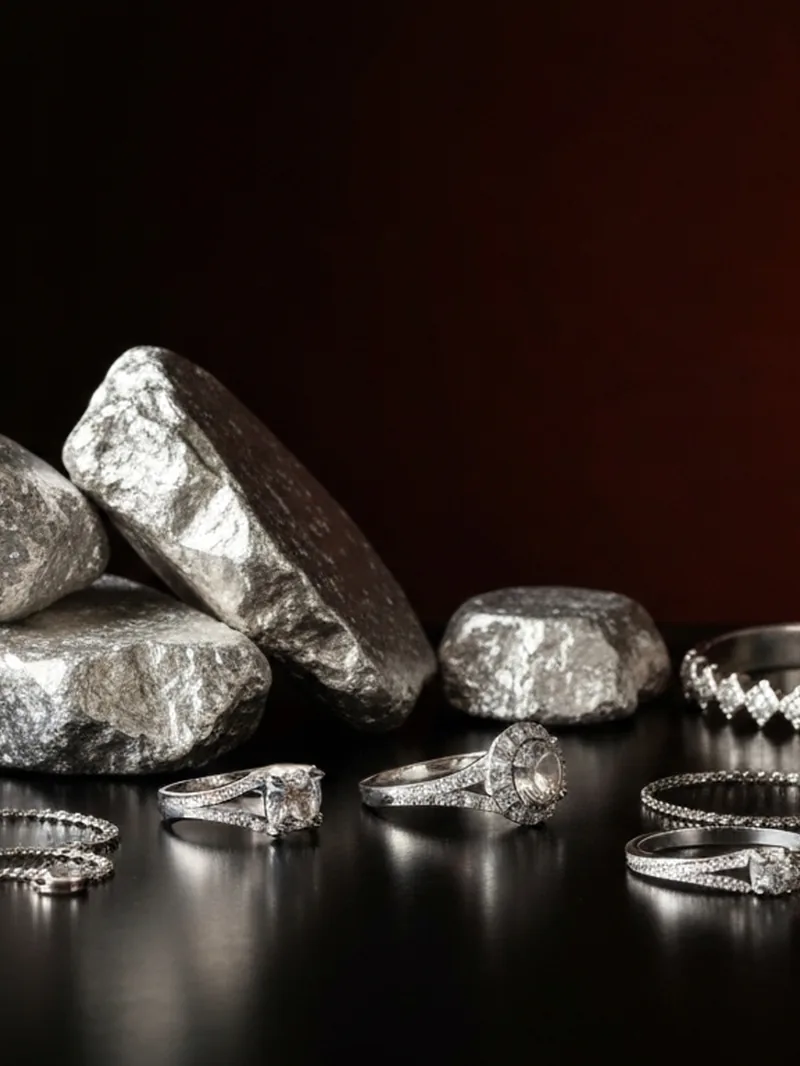
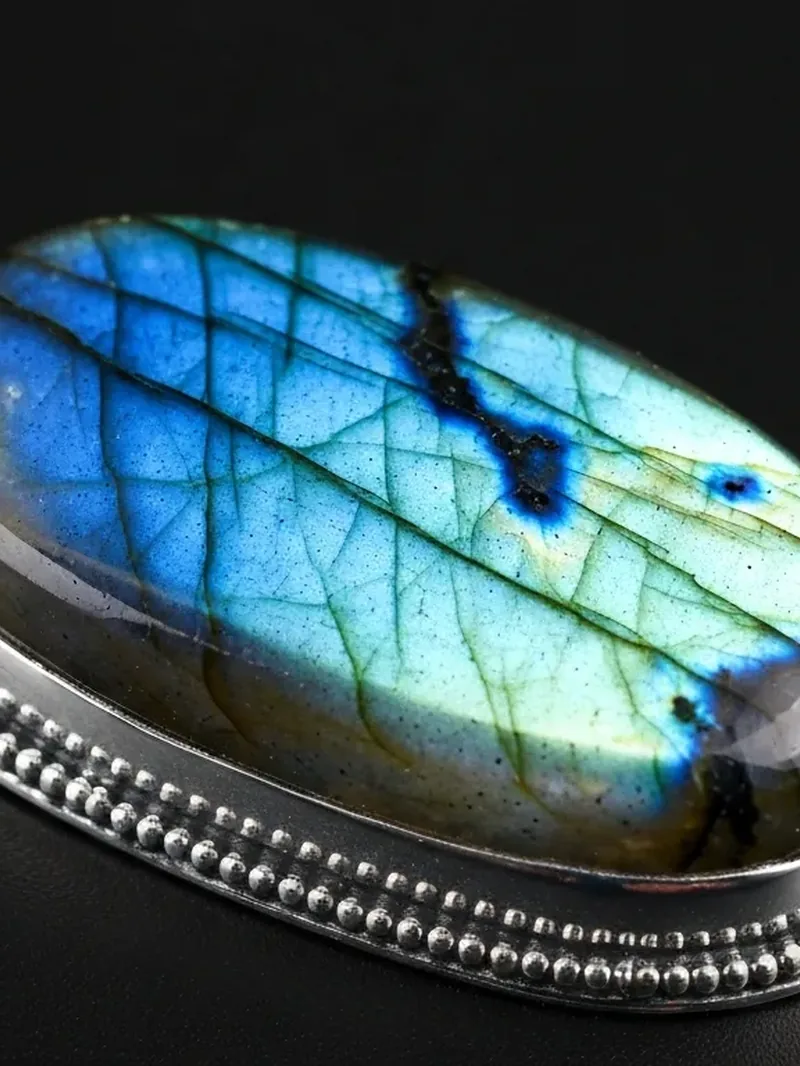
Sustainability is no longer a niche concern but a core tenet of modern design. The demand for sustainable bali artisan jewelry made from recycled silver underscores a collective move towards responsible sourcing and production. This commitment is evident in the detailed wire wrapped bali semiprecious stone pendant imperfection style, where slight variations are celebrated as hallmarks of genuine handmade quality, distinct from mass-produced items.
Tactility and Technology: Innovations in Bali Jewelry 2027
The year 2027 heralds an era where the sensory experience of jewellery is paramount. Bali handmade jewelry haptic design micro-lighting bracelet concepts are emerging, indicating an interest in how jewellery feels against the skin and interacts with light. This tactile emphasis is paired with subtle technological integrations, ensuring pieces are engaging without losing their handcrafted essence.
Artisans are also exploring innovative production methods. The custom bali handcrafted parametric design 3D printed jewelry represents a fascinating convergence of digital design and traditional material knowledge. While 3D printing aids in complex forms, the finishing and embellishment often rely on classic Balinese techniques, ensuring the soul of handmade craftsmanship remains intact. This hybrid approach allows for bespoke algorithmic form organic metal texture in pieces, pushing the boundaries of what is achievable in metalwork.
Traditional Techniques Meeting Contemporary Demand
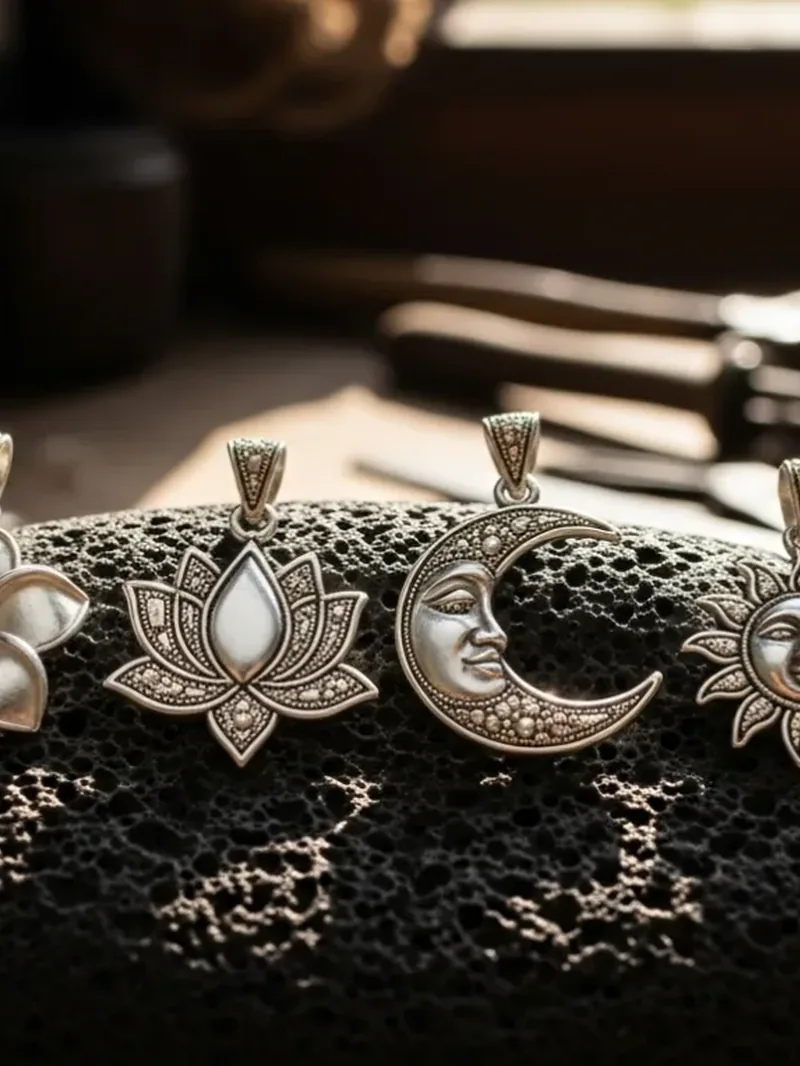
The essence of traditional Bali jewelry lies in its detailed filigree, granulation, and repoussé techniques, often executed in sterling silver. In 2027, these methods are applied to contemporary bali artisan jewelry, resulting in pieces like the handmade bali sterling silver oxidized organic ring SS2027. The oxidation process enhances the intricate patterns, giving a modern edge to classic designs. Similarly, handmade bali vintage retro opal ring sterling silver pieces demonstrate how historical styles are reinterpreted for current tastes, blending nostalgia with modern wearability.
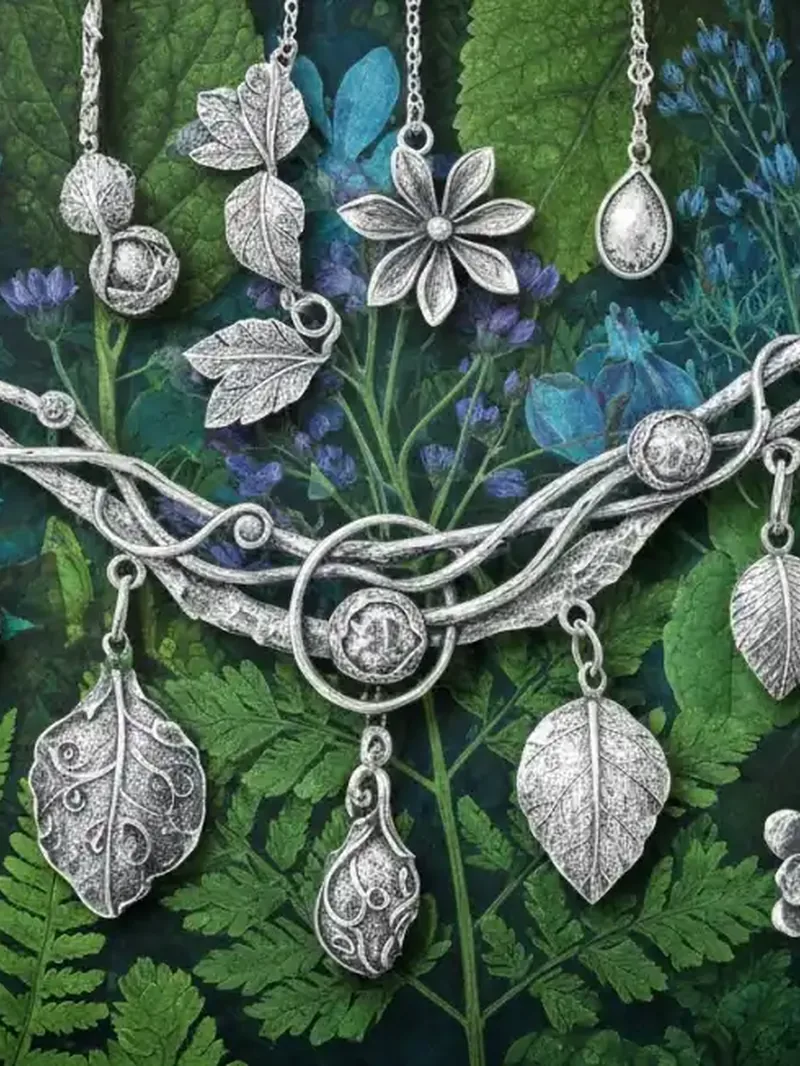
The integration of natural elements remains a cornerstone. Handcrafted bali shell and natural pearl necklace summer 2027 designs highlight the island’s abundant resources, providing a fresh, seasonal appeal. These pieces often feature personalized bali artisan name necklace with tropical shell components, offering a bespoke touch that resonates deeply with consumers seeking unique, meaningful items. The entry-level price range for such items, typically between $30.78 and $55, makes them accessible, while designer artisan pieces, often exceeding $150, cater to those seeking more elaborate designs.
- Dainty bali handmade silver layering necklace for summer: Lightweight and versatile, perfect for the warmer months.
- Bold oversized bali handmade cuff bracelet statement piece: A to the island’s capacity for creating impactful, artistic items.
- Custom bali artisan birthstone pearl drop earrings sustainable: Personalised and eco-conscious, reflecting key 2027 trends.
- Handmade bali turquoise and pearl stacking ringSet artisan: Combining popular gemstones in a fashionable, stackable format.
The Economic Landscape and Global Reach in 2027
The peak sales volume for Bali jewelry continues to be during Spring/Summer (March–August), aligning with global travel seasons and gift-giving occasions. This period sees a heightened demand for items like ethical bali handmade jewelry gift for independent women, reflecting a growing consumer base that values both aesthetics and provenance. The strategic location of Bali, particularly areas like Ubud and Celuk Village, remains central to production, with these regions acting as creative hubs for many artisans.
The global reach of Bali’s jewellery is significant, with key export markets including North America (USA, Canada), Europe (Germany, UK, France), and Australia. The average annual growth rate for the handmade jewelry market, approximately 5.8% from 2023-2027, underscores a sustained interest in unique, artisanal products. This growth is bolstered by online platforms, which have become crucial for reaching international customers. Approximately 60-70% of Bali jewelry is now sold directly to consumers via e-commerce or small boutiques, bypassing traditional retail channels and fostering closer connections between artisan and buyer.
The emphasis on authenticity and direct engagement is also shaping tourism. Bali’s artisan workshops and studios are increasingly popular tourist attractions, with an estimated 200,000 visitors annually seeking direct interaction with craftsmen. This experiential tourism feeds into the narrative of ethical consumption and appreciation for the handmade, much like the interest in immersive cultural tours.
2027 note: The year 2027 solidifies the move towards integrated design and ethical production in Bali’s jewellery sector. The fusion of parametric forms with traditional hand-finishing, and the consistent use of recycled materials, will define the aesthetic and values of this period. Expect to see further innovations in haptic design and customisation, all while preserving the island’s rich artistic legacy.
FAQ
How do Bali artisans balance traditional techniques with modern design in 2027 jewelry?
Bali artisans in 2027 achieve this balance by integrating ancient techniques like filigree and granulation with contemporary design principles, such as parametric forms and modularity. They frequently use recycled silver and natural materials, applying traditional hand-finishing to designs conceived with modern aesthetics and sustainability in mind.
What are the key trends influencing Bali handmade jewelry in 2027?
Key trends for Bali handmade jewelry in 2027 include a strong focus on sustainability (recycled silver, ethical sourcing), modular and ergonomic designs for versatility, enhanced tactility and sensory engagement, and the incorporation of customisation and personalised elements, often blending natural materials with innovative forms.
Where can one find authentic Bali handmade jewelry with modern designs?
Authentic Bali handmade jewelry with modern designs can be found directly from artisan workshops in areas like Celuk Village and Ubud, through established online platforms specialising in handcrafted goods, and in curated boutiques in major export markets such as North America, Europe, and Australia, particularly during the peak Spring/Summer season.