By Bali Hand Made Jewelry Editorial Desk
In 2027, Bali handmade jewelry artisans are venturing beyond traditional silver, integrating sustainable, tactile, and technologically advanced materials. This shift includes recycled metals, organic composites, and even 3D-printed elements, reflecting a global demand for innovative and ethical adornment. The focus is on unique textures and modular designs.
New Materials Bali Handmade Jewelry: A 2027 Perspective
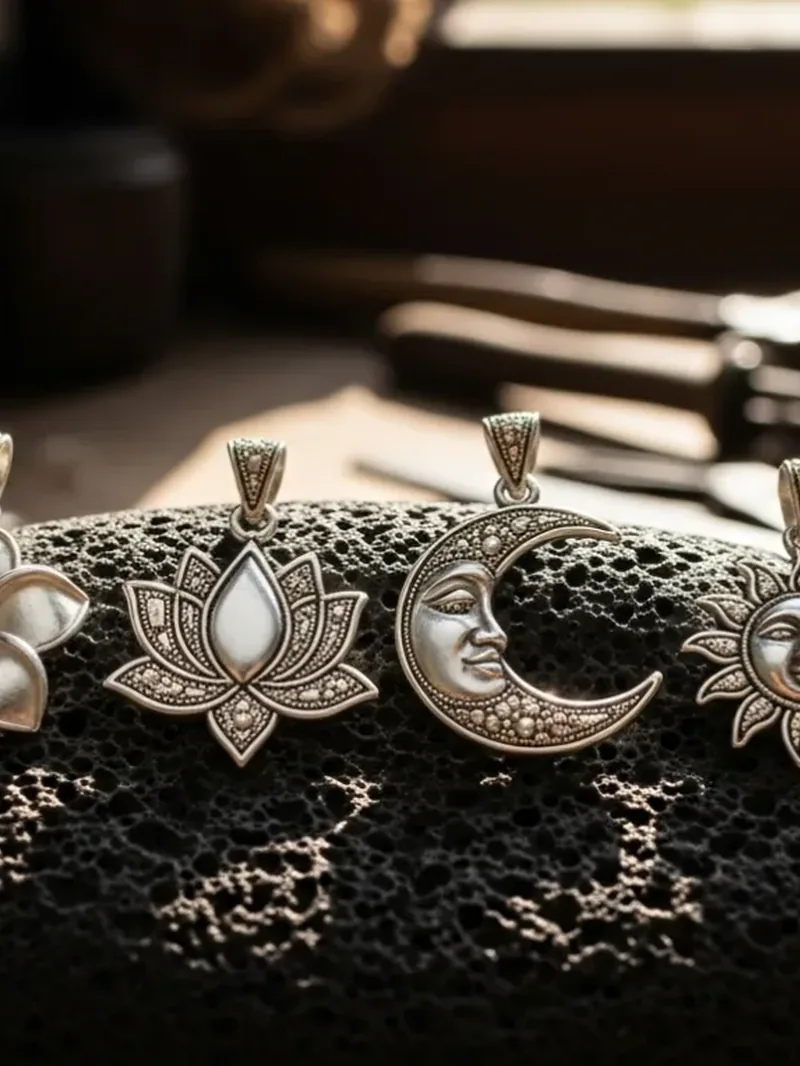
Bali’s reputation for exquisite handmade jewelry has long been synonymous with sterling silver, often adorned with pearls and shells. However, as 2027 unfolds, a significant evolution is occurring within the island’s artisan community. The landscape of Bali handmade jewelry is expanding, driven by a global appetite for sustainable practices, unique tactile experiences, and a desire for individuality. This means a proactive exploration of alternative materials Bali jewelry makers are embracing, pushing creative boundaries far beyond conventional choices.
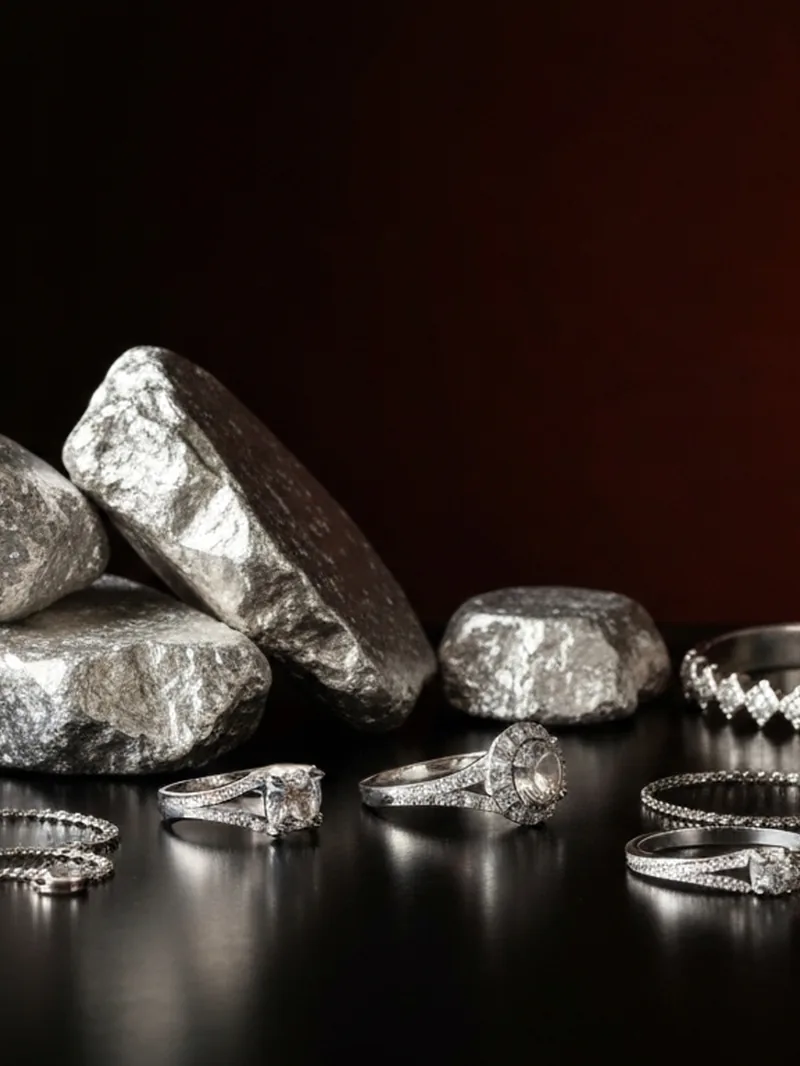
The shift is not merely aesthetic; it is deeply rooted in contemporary consumer values. Shoppers in 2027 are increasingly conscious of a product’s origin, its environmental footprint, and the story behind its creation. This awareness directly influences the demand for sustainable bali artisan jewelry made from recycled silver, a trend that is gaining considerable traction. Artisans are not just recycling silver; they are transforming it into pieces like the handmade bali sterling silver oxidized organic ring SS2027, which marries traditional techniques with modern design sensibilities and an eco-conscious approach.
The Rise of Organic and Composite Elements
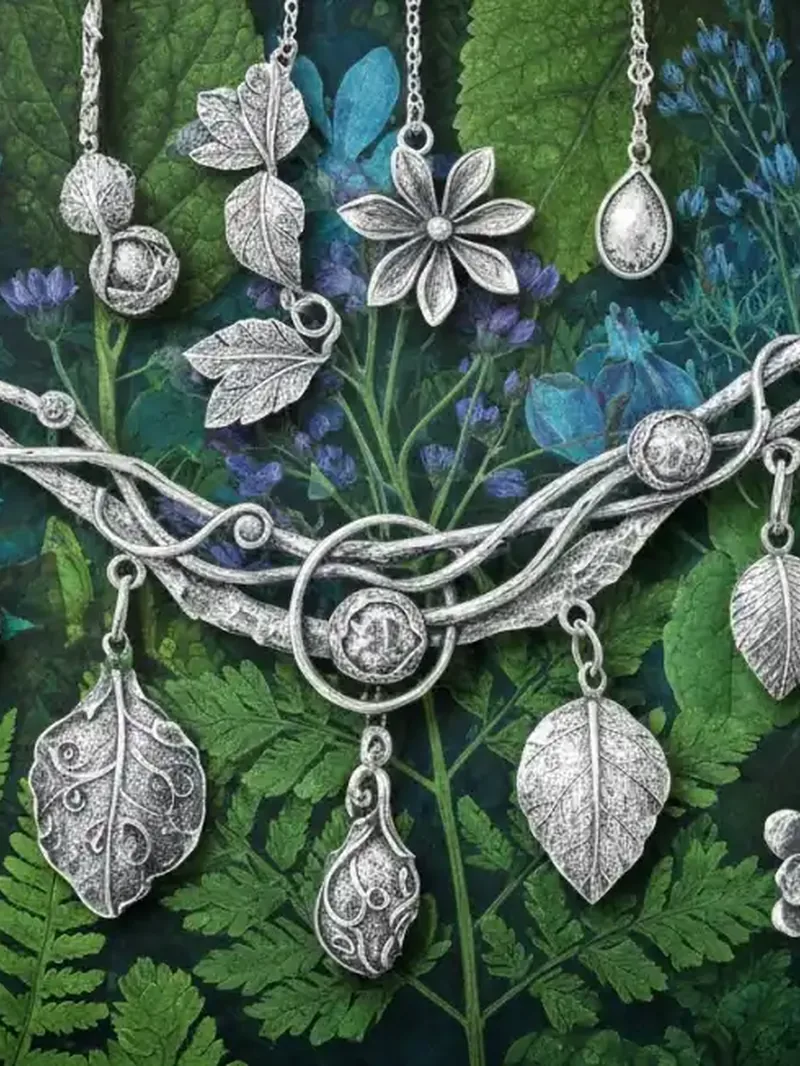
One of the most compelling developments in innovative Bali handmade jewelry for 2027 is the integration of organic and composite materials. While natural pearls and shells have always been staples, their application is becoming more sophisticated and sculptural. Imagine a handcrafted bali shell and natural pearl necklace summer 2027, where the shells are not merely accents but central to the design, perhaps even shaped and polished to highlight their unique textures and iridescence. This approach extends to other natural elements, often sourced locally, providing both aesthetic appeal and a reduced carbon footprint.
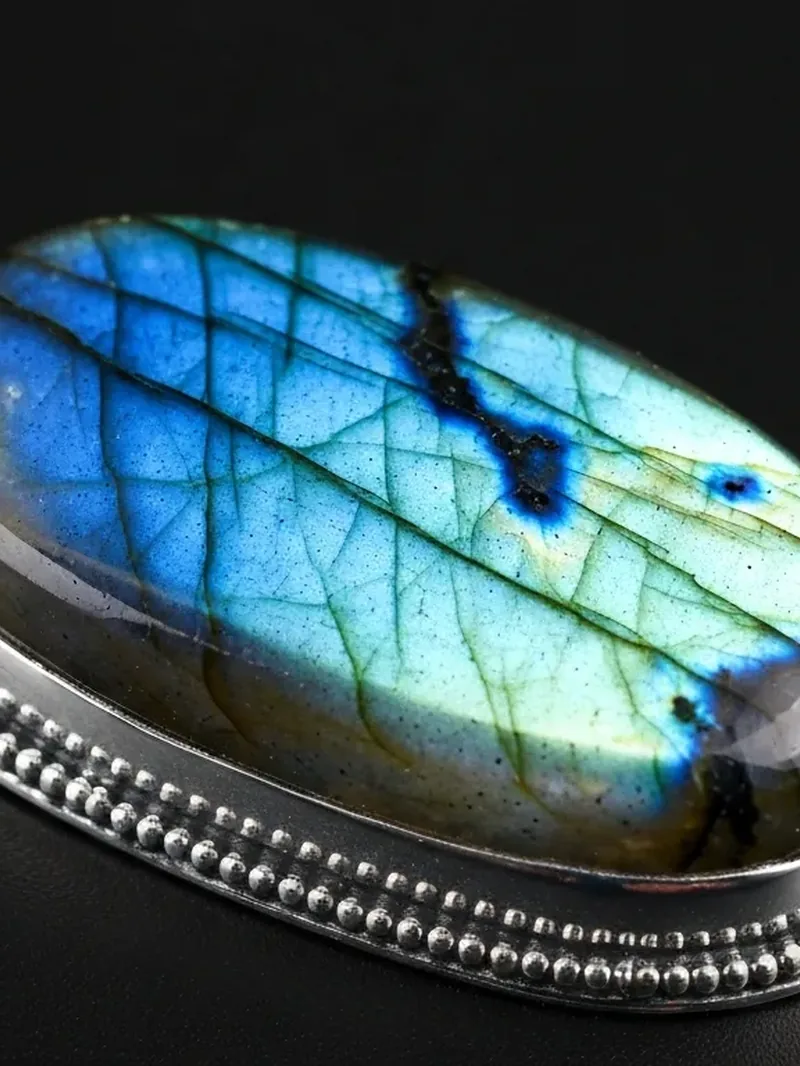
Beyond traditional organic elements, artisans are experimenting with new composites. These might include plant-based resins, responsibly sourced wood, or even volcanic rock, treated and incorporated into designs that offer distinct haptic qualities. Consider a wire wrapped bali semiprecious stone pendant imperfection style, where the wire is not just a setting but an integral part of the artistic expression, perhaps even encapsulating a unique composite material that mimics natural stone but with enhanced durability and a lighter weight. This aligns with the demand for handmade bali jewelry haptic design micro-lighting bracelet, where the feel of the piece against the skin is as important as its visual appeal.
Technological Innovations and Parametric Design
While ‘handmade’ is at the core of Bali’s jewelry identity, 2027 also sees a fascinating convergence of traditional craftsmanship with advanced technology. This is most evident in the emergence of custom bali handcrafted parametric design 3D printed jewelry. Artisans are utilising 3D printing for components, allowing for intricate geometries and complex forms that would be challenging, if not impossible, with traditional hand-forming methods. These 3D-printed elements are often combined with hand-finished metalwork or stone setting, creating truly unique pieces that blend the old and the new.
Furthermore, the concept of algorithmic form is inspiring designs. Handmade bali jewelry algorithmic form organic metal texture pieces demonstrate how computational design can influence organic shapes and textures, resulting in jewellery that feels both natural and futuristic. This allows for ergonomic modular bali gold stacking rings for women, where individual rings can be reconfigured or combined, offering customisation and versatility that appeals to the modern consumer. The price range for such innovative pieces, especially designer artisan items with complex wire-work or custom elements, often exceeds $150, reflecting the skill and materials involved.
Tactility, Customisation, and Ethical Sourcing
The emphasis on tactility is paramount in 2027. Consumers seek jewelry that engages more than just sight. This explains the interest in bold oversized bali handmade cuff bracelet statement piece designs, which provide a substantial feel and visual impact. Similarly, personalised bali artisan name necklace with tropical shell designs offer a bespoke touch, allowing individuals to connect with their jewelry on a deeper level. The ability to customise, from choosing specific birthstones for custom bali artisan birthstone pearl drop earrings sustainable to engraving a unique message, is a significant driver in the market.
Ethical considerations remain central. Ethical bali handmade jewelry gift for independent women speaks to a broader movement towards responsible consumption. This includes transparent sourcing of materials, fair wages for artisans, and environmentally friendly production processes. Many artisans on the island are committed to these principles, ensuring that their creations not only look beautiful but also uphold strong ethical standards. For those interested in the broader cultural experiences of Bali, and perhaps finding inspiration for future jewelry designs, exploring family-friendly Komodo Labuan Bajo tour packages 2027 can provide a deeper understanding of the region’s rich heritage.
The peak sales season for Bali jewelry typically occurs during Spring/Summer (March–August), aligning with global travel trends and holiday purchases. During these months, demand for items like dainty bali handmade silver layering necklace for summer and handmade bali turquoise and pearl stacking ringSet artisan sees a significant surge. Shoppers often seek out unique pieces to complement their summer wardrobes or as memorable souvenirs from their travels, sometimes even planning their trips around specific artisan markets in areas like Ubud or Seminyak, renowned for their craft traditions.
In addition to new materials, traditional techniques are being reinterpreted. The handmade bali vintage retro opal ring sterling silver, for instance, blends classic aesthetics with contemporary craftsmanship, often using ethically sourced opals or innovative settings. This fusion of old and new is a hallmark of Bali’s evolving jewelry scene, ensuring its continued relevance and appeal to a global audience. Our commitment at Bali Handmade Jewelry reflects this dynamic, offering a curated selection that showcases both timeless elegance and the exciting innovations of 2027.
2027 Note: The trends identified for 2027 highlight a decisive move towards conscious consumption and individual expression within the Bali handmade jewelry sector. Artisans are demonstrating remarkable adaptability, integrating new technologies and materials while preserving the essence of their traditional craft. This forward-looking approach ensures Bali remains a leading hub for distinctive and meaningful jewelry.
FAQ
What new materials are Bali handmade jewelry artisans experimenting with in 2027?
In 2027, Bali handmade jewelry artisans are experimenting with recycled metals like silver and gold, organic composites such as plant-based resins and responsibly sourced wood, and advanced elements like 3D-printed components. They are also reinterpreting traditional materials like shells and natural pearls with innovative shaping and integration techniques.
How are sustainability trends influencing new materials in Bali jewelry?
Sustainability trends are significantly influencing the choice of new materials in Bali jewelry by driving demand for recycled silver and ethically sourced natural elements. Artisans are increasingly focusing on transparent supply chains and environmentally conscious production methods, offering pieces that appeal to eco-conscious consumers.
Are technological advancements impacting the use of new materials in Bali handmade jewelry?
Yes, technological advancements are impacting the use of new materials in Bali handmade jewelry. Artisans are utilising 3D printing for intricate components and exploring parametric design principles. These technologies allow for the creation of complex forms and modular pieces, often combined with traditional hand-finishing techniques to blend innovation with craftsmanship.