By Bali Hand Made Jewelry Editorial Desk
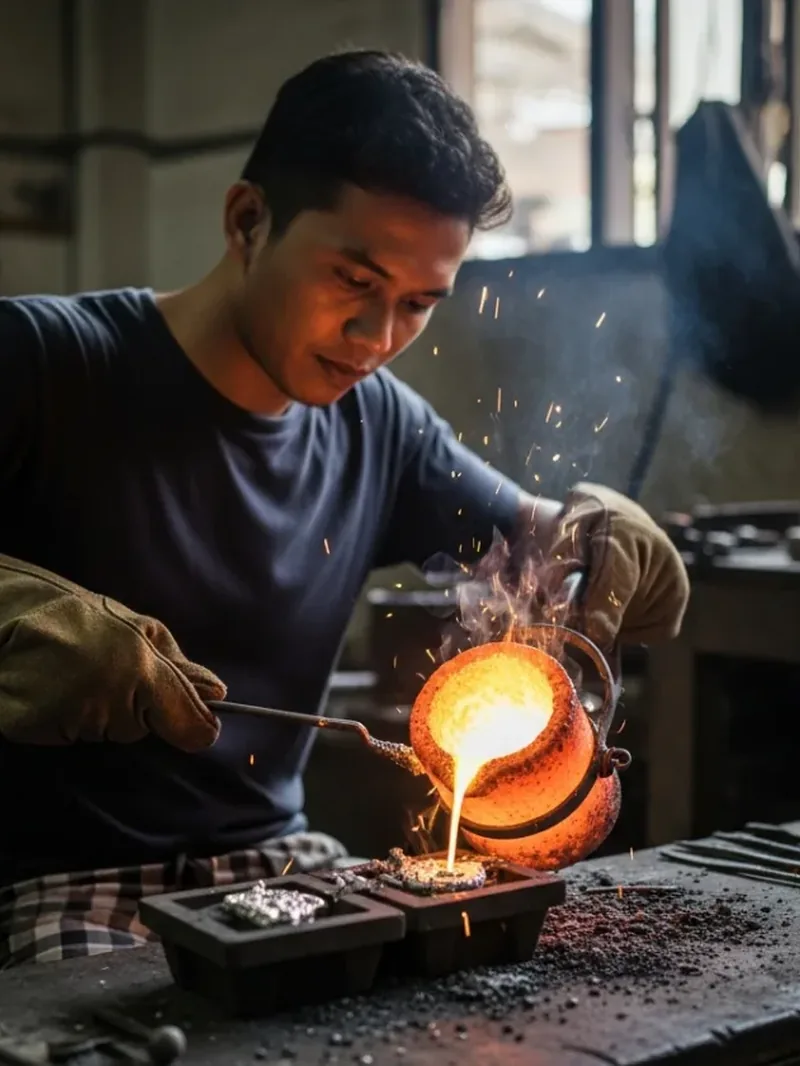
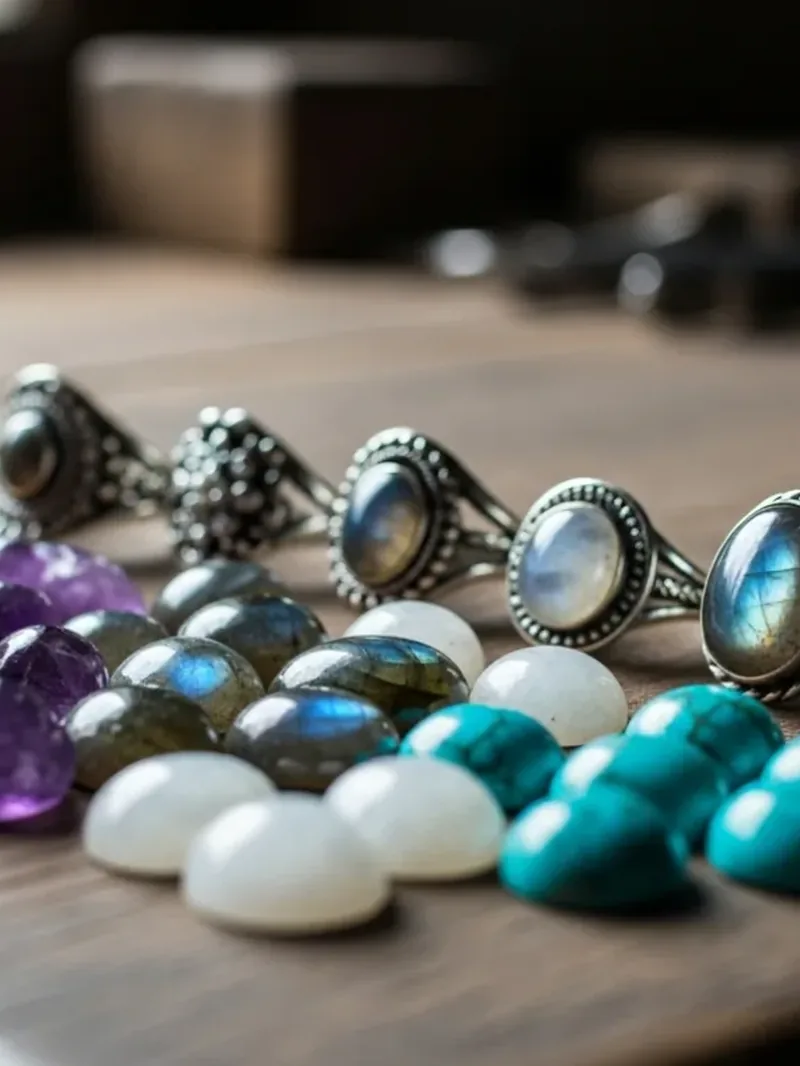
As a professional trade buyer in the jewelry industry, understanding the nuances between gold vermeil and solid gold is crucial for making informed purchasing decisions. Bali, particularly the Celuk village in Gianyar, is renowned for its skilled artisans who create exquisite handmade jewelry using traditional techniques. Whether you’re sourcing for a boutique or an established brand, knowing the distinct qualities of these materials will guide your selection process and ensure your offerings meet market demands.
Understanding Gold Vermeil and Solid Gold
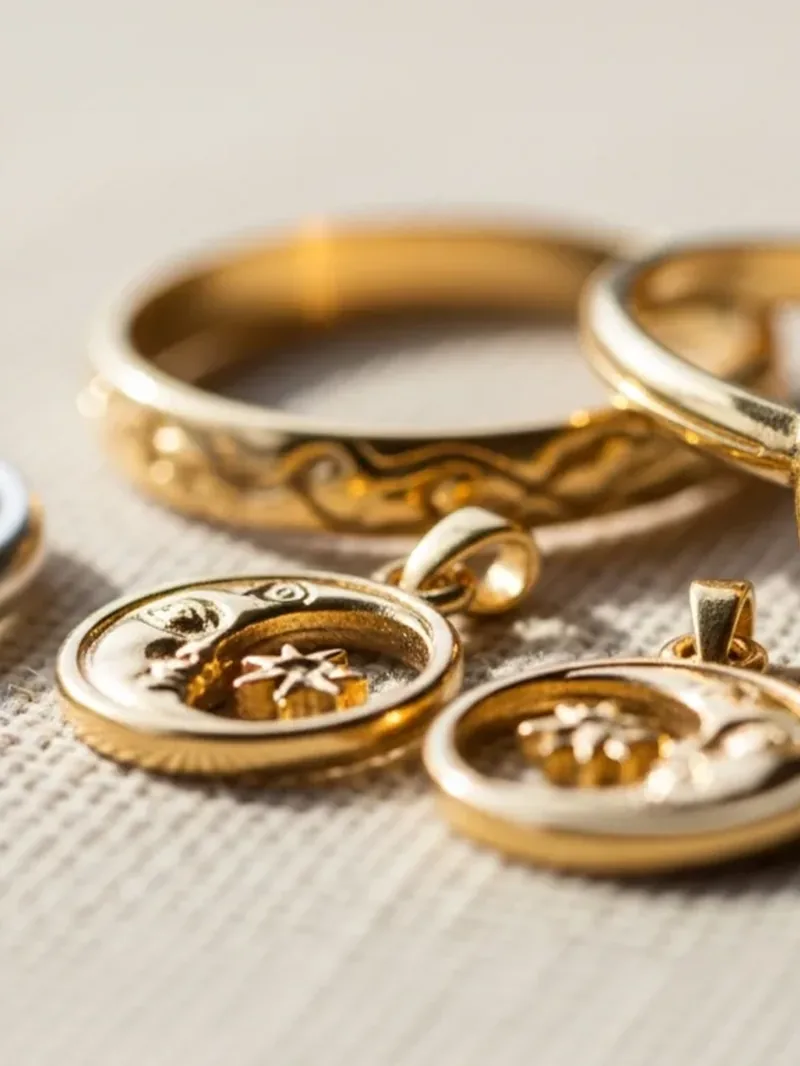
Gold vermeil and solid gold are two distinct materials commonly used in jewelry manufacturing. Gold vermeil consists of a thick layer of gold plated over 925 sterling silver. This method ensures a luxurious appearance while maintaining a lower cost compared to solid gold. Solid gold, on the other hand, is an alloy that typically comes in 14k or 18k variants. The karat value indicates the gold’s purity, with 24k being pure gold. Solid gold’s intrinsic value and durability make it a preferred choice for high-end markets. Understanding these materials’ properties is essential for trade buyers looking to balance quality and cost in their product lines.
Thickness: Gold Vermeil vs Solid Gold
The thickness of gold vermeil is a defining characteristic. According to industry standards, the gold layer in vermeil should be at least 2.5 microns thick. This ensures durability and resistance to wear, making it suitable for everyday jewelry. In contrast, solid gold has no plating; its thickness is inherent, as the piece is composed entirely of gold alloy. Trade buyers must consider the intended use of the jewelry when choosing between these options. Gold vermeil’s thickness may suffice for fashion-forward, affordable collections, while solid gold is ideal for heirloom-quality pieces that demand longevity and prestige.
Durability: Which Material Lasts Longer?
Durability is a critical factor for trade buyers when selecting jewelry materials. Solid gold is renowned for its lasting quality, resisting tarnish and corrosion due to its inherent properties. This makes it an excellent choice for pieces meant to endure over time, such as wedding bands and fine jewelry. Gold vermeil, while also durable, may experience wear over extended periods, especially if not cared for properly. The sterling silver base can tarnish if exposed to harsh environments. However, with proper maintenance, vermeil can remain vibrant and beautiful, offering a cost-effective alternative to solid gold for everyday wear.
Price Considerations for Trade Buyers
Price is a crucial consideration for trade buyers assessing gold vermeil versus solid gold. Gold vermeil provides a luxurious look at a fraction of the cost of solid gold, making it accessible for a broader market. The price of solid gold is significantly higher, reflecting its purity and intrinsic value. For instance, 14k gold contains approximately 58.3% pure gold, while 18k contains about 75%. The choice between these materials will largely depend on the target market’s preferences and budget constraints. Buyers should request detailed quotes to confirm current pricing, as gold markets fluctuate.
Target Market: Who Should Buy What?
The choice between gold vermeil and solid gold should align with the target market’s expectations and purchasing power. Gold vermeil is suitable for buyers aiming at fashion-conscious consumers seeking luxury at accessible prices. It’s ideal for boutique retailers and independent designers focusing on trendy, statement pieces. Conversely, solid gold appeals to high-end markets that value authenticity and long-term investment. Wholesalers and brands catering to affluent clients should consider solid gold for its status and durability. Understanding the target audience’s desires will guide trade buyers in selecting the appropriate material for their collections.
Quality Standards and Compliance
Ensuring quality and compliance is paramount in jewelry sourcing. In Bali, jewelry is crafted using 925 sterling silver, often stamped for authenticity. Gold vermeil pieces follow strict plating standards to achieve the desired thickness. Trade buyers can arrange for independent assay/hallmarking if required by their market, such as the UK’s hallmarking requirements. Compliance with EU REACH and US nickel directives is available, ensuring pieces are nickel-free and lead/cadmium-compliant. Buyers should confirm specific compliance needs based on their target market to meet regulatory standards and consumer safety expectations.
Order Process and Lead Times
The order process for Bali handmade jewelry is designed to accommodate trade buyers’ needs. Minimum order quantities (MOQs) are flexible, often allowing mixed-design orders, which is advantageous for first-time and wholesale buyers. Sampling typically takes 1-3 weeks, with bulk production ranging from 3-6 weeks, depending on order complexity. Standard payment terms require a deposit, approximately 50%, with the balance due before shipping. Buyers can choose between T/T transfer or escrow for initial orders. Understanding these logistics helps buyers plan their inventory effectively, ensuring timely delivery and market readiness.
Care and Maintenance of Gold Vermeil Jewelry
Proper care of gold vermeil jewelry is essential to maintain its appearance and prolong its lifespan. Regular cleaning with a soft cloth is recommended to remove oils and dirt that may accumulate over time. It’s important to avoid exposing the jewelry to harsh chemicals, such as those found in cleaning products or perfumes, as these can damage the gold layer. Storing gold vermeil pieces in a dry, padded jewelry box can prevent scratches and tarnish. Additionally, wearing the jewelry after applying cosmetics or perfumes can minimize contact with potentially damaging substances. By following these care guidelines, gold vermeil jewelry can remain a beautiful and cost-effective alternative to solid gold.
Environmental and Ethical Considerations
As sustainability becomes increasingly important, trade buyers should consider the environmental and ethical implications of their sourcing choices. Gold vermeil, with its sterling silver base, can be a more sustainable option compared to solid gold, as it uses less gold overall. Additionally, sourcing from artisans in Bali supports local economies and traditional craftsmanship, promoting ethical trade practices. Many suppliers adhere to responsible sourcing guidelines, ensuring that materials are obtained in a manner that respects both the environment and the communities involved. Buyers can inquire about a supplier’s sustainability practices to ensure their jewelry selections align with their ethical standards.
For more detailed information on our gold jewelry manufacturing or sterling silver jewelry exports, or to discuss your specific needs, please contact us directly. Our team is ready to assist you in sourcing the finest handmade jewelry from Bali, tailored to your market requirements.