By Bali Hand Made Jewelry Editorial Desk
In the dynamic world of jewelry imports, understanding upcoming trends is crucial for staying competitive. As we look towards 2026, Bali’s jewelry scene, particularly from the renowned Celuk village, is set to captivate international trade buyers with its blend of artisanal craftsmanship and contemporary styles. With a longstanding reputation for quality, Bali’s jewelry industry offers a unique combination of traditional techniques and modern demands, making it a must-consider source for wholesalers, importers, and boutique retailers.
Traditional Craftsmanship Meets Modern Demand
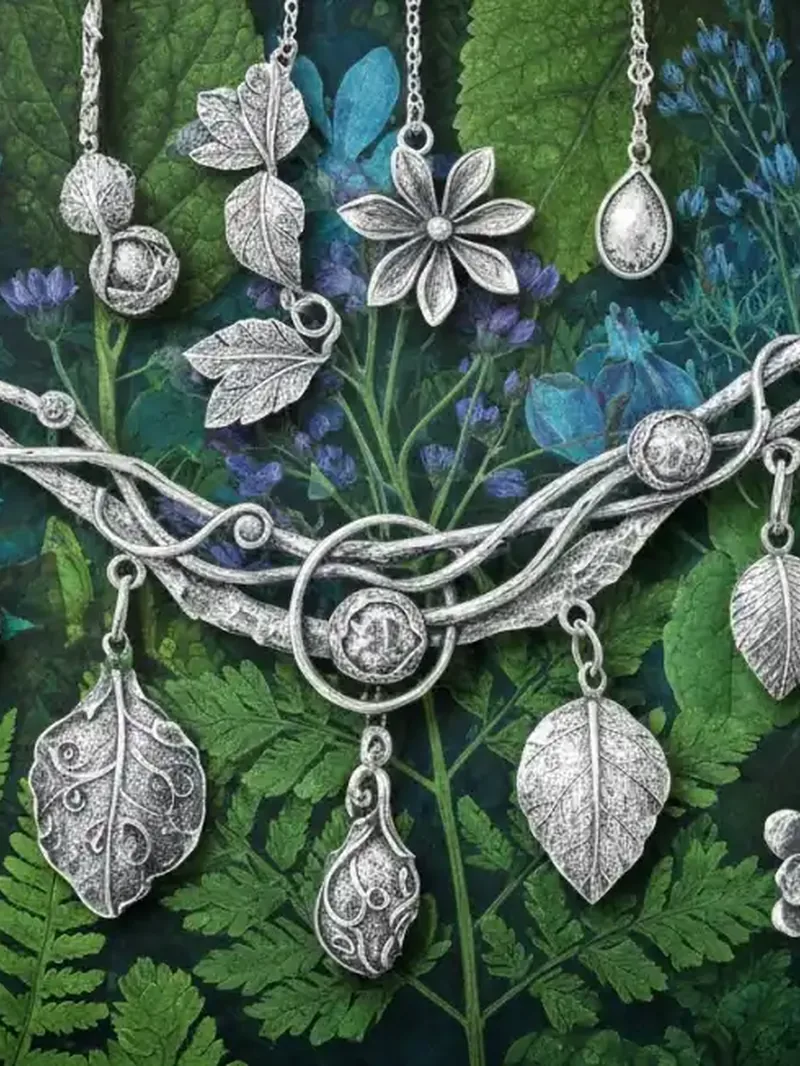
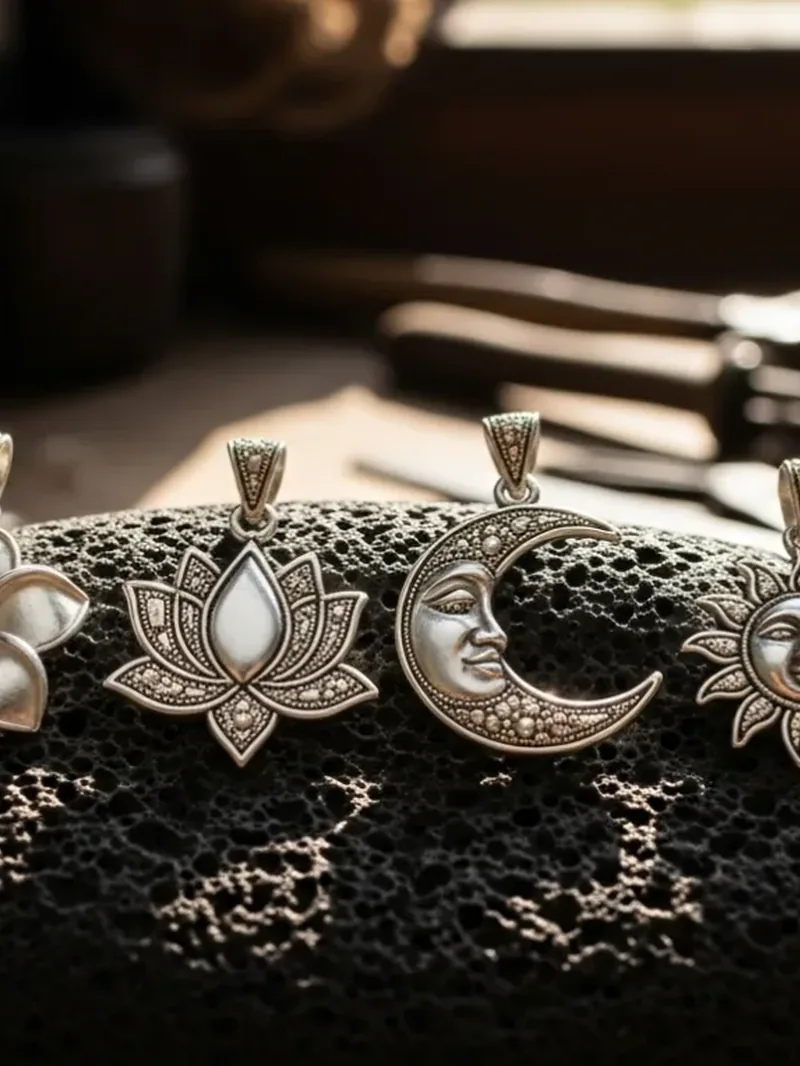
Bali’s jewelry industry thrives in the heart of Celuk village, known for its exceptional artisanship. This hub, alongside Mas and Kamasan, forms the backbone of Bali’s metalworking tradition, where skills are passed down through generations. Techniques such as lost-wax casting, hand-fabrication, and filigree are central to the creation of intricate designs that meet global standards. The hallmark of Balinese craftsmanship, jawan or granulation, showcases the meticulous beadwork that distinguishes Bali jewelry on the international stage. As trade buyers seek unique pieces, the ability to blend traditional methods with modern aesthetics becomes a key selling point. Importers can leverage Bali’s rich heritage to meet the growing demand for authentic, handcrafted jewelry, ensuring they cater to both classic and contemporary tastes. For more on the craftsmanship of Celuk, visit Wikipedia’s Celuk page.
Materials Defining 2026’s Trends
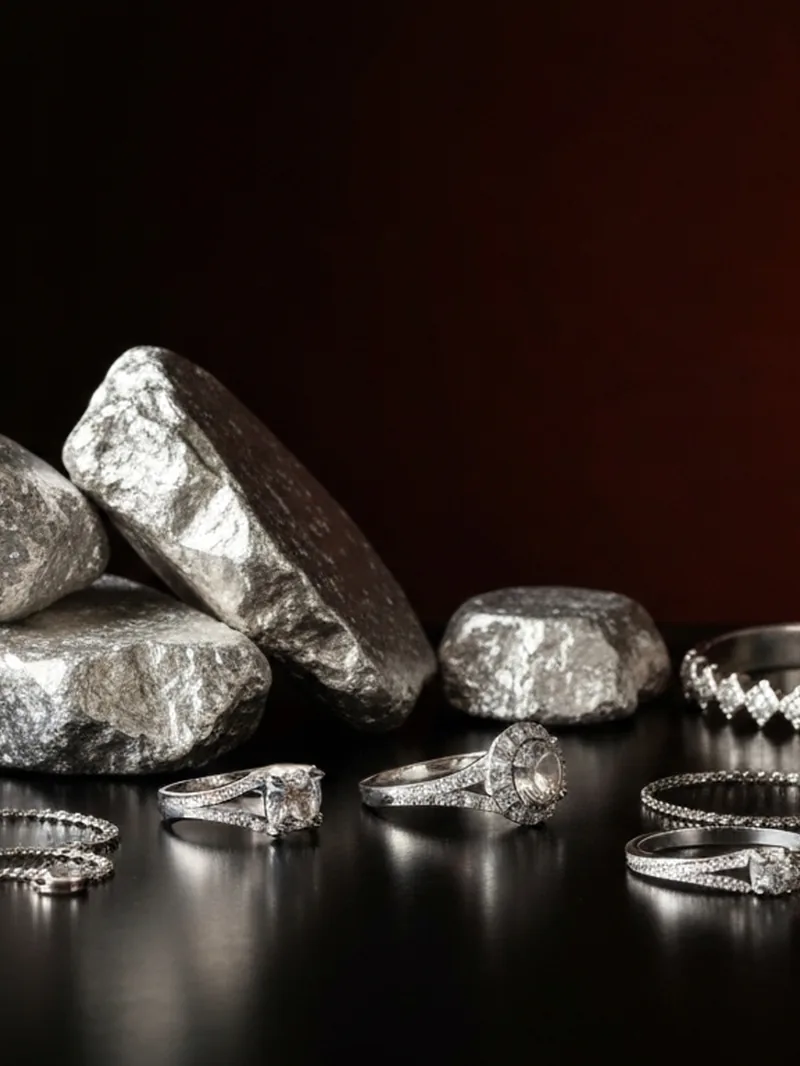
In 2026, the choice of materials will significantly influence jewelry trends. Importers will find that 925 sterling silver remains a staple due to its durability and quality, comprising 92.5% pure silver. Gold vermeil, offering a luxurious yet affordable alternative to solid gold, is increasingly popular, featuring a thick gold layer over sterling silver. Solid gold options, available in 14k and 18k, cater to high-end markets. Additionally, brass and bronze add versatility to collections. The use of natural gemstones such as turquoise, lapis lazuli, and moonstone, alongside pearls sourced from Indonesia’s rich waters, complements these metals beautifully. Buyers should note that hallmarking for sterling silver is standard, with independent assay available upon request for markets like the UK. By stocking a diverse range of materials, importers can appeal to varied consumer preferences and price points. For more on sterling silver, visit Wikipedia’s Sterling Silver page.
Quality and Compliance Assurance
Ensuring quality and compliance is paramount in the jewelry trade. Bali’s jewelry pieces are stamped 925, signifying their sterling silver content. For buyers with specific compliance needs, such as EU REACH or the US Nickel Directive, Bali manufacturers offer nickel-free and lead/cadmium-compliant options. It’s essential for importers to confirm these requirements when placing orders. The option for independent hallmarking provides added assurance for markets that mandate it. As international regulations evolve, staying informed about compliance standards is crucial for maintaining market access. Buyers are encouraged to discuss specific requirements during the quotation process to ensure that all compliance aspects are addressed adequately. For EU compliance details, visit ECHA’s official site.
Flexible MOQ and Order Processes
Bali’s jewelry industry offers flexibility in minimum order quantities (MOQs), a significant advantage for importers. Typically, MOQs are modest, allowing for tens of pieces per design, which benefits first-time and wholesale buyers. This flexibility extends to mixed-design orders, enabling importers to test market preferences without overcommitting. Sampling is a crucial step, usually completed within 1-3 weeks, ensuring that buyers can evaluate quality before proceeding to bulk production. For those interested in custom or OEM production, Bali manufacturers are equipped to work from CAD designs or reference samples, providing private-label stamping and custom packaging options. This adaptability allows importers to tailor their offerings to specific market needs, enhancing their competitive edge.
Efficient Export and Shipping Solutions
Given the small and high-value nature of jewelry, efficient shipping is critical. Bali’s jewelers predominantly use air freight or international couriers like DHL and FedEx, ensuring fast and secure transit. Shipments are typically FOB from Bali (Denpasar/Benoa), with CIF or courier-delivered options available upon request. Importers can expect transit times of just a few days, depending on their location, with insured shipping providing peace of mind. This logistical efficiency supports timely market entry, crucial for maintaining competitiveness in fast-paced retail environments. Clear communication with suppliers about shipping preferences and requirements is advised to optimize the process and manage costs effectively.
Lead Times and Payment Terms
Understanding lead times and payment terms is essential for planning and budgeting. Sampling lead times range from 1-3 weeks, while bulk production typically takes 3-6 weeks, depending on order complexity and volume. Standard payment terms involve a deposit, commonly around 50%, with the balance due before shipping. T/T transfers are standard, with escrow services available for first orders to build trust between new partners. Importers should factor in these timelines and terms when planning their order cycles to ensure seamless supply chain management. Clear communication with suppliers ensures that expectations are aligned and timelines are met, minimizing the risk of delays.
Global Market Access and Opportunities
Bali’s jewelry industry has established a strong presence in key global markets, with regular shipments to the US, EU, UK, Australia, Japan, and the Middle East. This widespread market access highlights the adaptability and appeal of Bali’s jewelry designs across diverse consumer bases. Importers can leverage this established network to explore new opportunities and expand their market reach. By staying informed about regional preferences and trends, buyers can strategically position their offerings to capitalize on emerging consumer demands. Collaboration with Bali’s experienced artisans allows for the creation of unique, market-specific collections that resonate with international audiences.
For trade buyers looking to capitalize on Bali jewelry trends in 2026, our team is ready to assist. Please reach out via WhatsApp at +62 811-3941-4563 or email us at [email protected]. For more information on wholesale opportunities, visit our Wholesale Jewelry Bali and Gemstone Jewelry Manufacturer pages. We look forward to partnering with you to bring Bali’s exquisite craftsmanship to your market.