By Bali Hand Made Jewelry Editorial Desk
Dynamic movement in Bali handmade jewelry for 2027 focuses on designs that animate with the wearer, incorporating tactile elements, modularity, and sustainable materials. This trend emphasises fluid forms, kinetic components, and organic textures, allowing for personal expression through pieces that interact with light and motion. Expect designs that convey an active, adaptable aesthetic.
Dynamic Movement: Bali Handmade Jewelry for Expressive Style 2027
As we approach 2027, the world of handmade jewelry from Bali is evolving, placing a significant emphasis on dynamic movement and expressive style. This trend is not merely about aesthetics; it reflects a deeper appreciation for craftsmanship that interacts with the wearer, offering pieces that are both visually engaging and tactilely stimulating. The market for Bali handmade jewelry is vibrant, with peak sales volumes traditionally observed during Spring/Summer (March–August), suggesting a strong consumer desire for distinctive accessories during warmer months. This aligns perfectly with designs that embody fluidity and light, making them ideal for expressive, active wear.
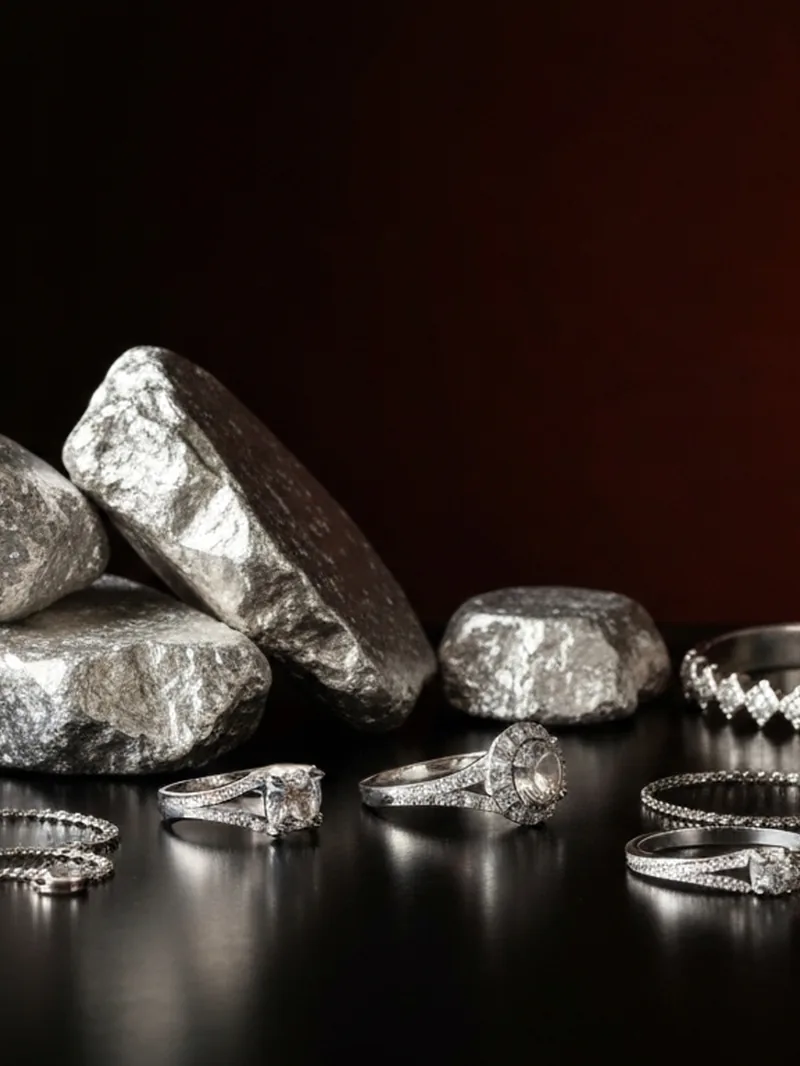
The core of this dynamic movement lies in several key areas: designs that feature fluidity, modularity, and an organic connection to nature. For example, the emerging keyword ‘handmade bali sterling silver oxidized organic ring SS2027’ highlights the blend of traditional techniques with contemporary form, offering rings that possess a unique, almost sculptural quality. These pieces are not static; their organic shapes and oxidised finishes catch the light differently with every gesture, creating a subtle, kinetic display. Similarly, ‘handcrafted bali shell and natural pearl necklace summer 2027’ points to necklaces that might incorporate articulated links or naturally irregular elements, allowing the piece to drape and shift gracefully.
Flowing Bali Jewelry Designs for Modern Expression
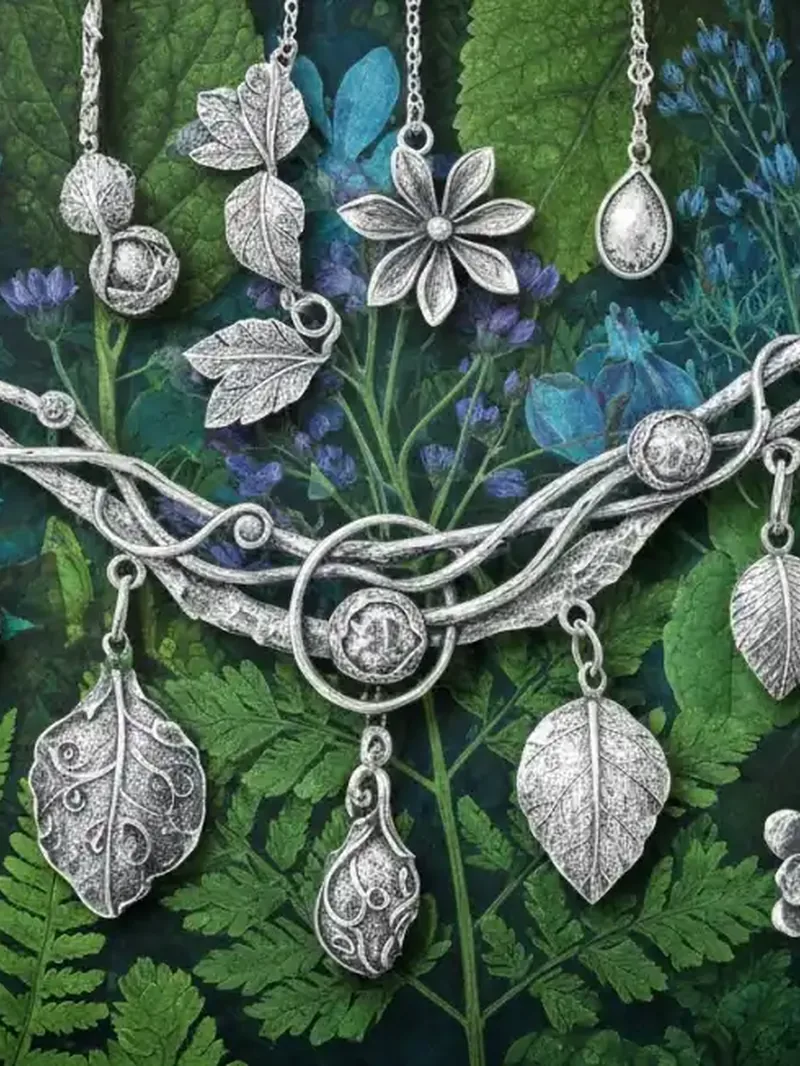
Flowing Bali jewelry designs are central to the 2027 aesthetic, moving beyond static ornamentation to create pieces that feel alive. Imagine ‘dainty bali handmade silver layering necklace for summer’ designs that cascade and intertwine, or ‘wire wrapped bali semiprecious stone pendant imperfection style’ where the stone appears to float within its metal embrace. These designs celebrate natural forms and the inherent beauty of movement. The average artisan workshop in Bali, typically small-scale with 2-5 skilled artisans, excels in producing such intricate wire-wrapped and hand-hammered pieces, ensuring each item possesses a unique character. This focus on individual craftsmanship is what sets Bali jewelry apart, providing consumers with a genuine connection to the maker.
- Tactile Engagement: Pieces designed to be touched and felt, with textures that invite interaction.
- Visual Fluidity: Designs that appear to move or change form as the wearer moves.
- Natural Integration: Incorporating elements like shells, pearls, and semi-precious stones in ways that mimic natural flow.
- Adaptive Forms: Jewelry that adjusts or drapes uniquely on the body.
The price range for these expressive pieces varies, with entry-level items like simple silver rings or shell pendants typically ranging from $30.78 to $55. However, designer artisan pieces, particularly those featuring pearls, complex wire-work, or custom elements, often exceed $150. This reflects the skill and time invested in creating truly dynamic and unique designs. For those interested in exploring our current collection of artisan silver pieces, the diversity of styles available caters to a broad spectrum of preferences.
Kinetic Bali Handmade Earrings: A Study in Motion
Kinetic Bali handmade earrings are a prime example of the dynamic movement trend. Consider ‘custom bali artisan birthstone pearl drop earrings sustainable’ where pearls or stones are set to swing and sway, catching light and creating a subtle shimmer. Or perhaps ‘handmade bali turquoise and pearl stacking ringSet artisan’ designs, while not earrings, demonstrate how multiple elements can interact to form a cohesive, yet moving, whole. These earrings are crafted to draw attention through their delicate motion, offering an elegant focal point. The meticulous hand-finishing, a hallmark of Balinese craftsmanship, ensures that each component moves freely and gracefully, enhancing the overall aesthetic.
The emphasis on sustainability is also growing, with ‘sustainable bali artisan jewelry made from recycled silver’ being a significant keyword for 2027. This commitment to ethical sourcing and production practices resonates deeply with consumers who seek not only beauty but also responsibility in their purchases. Bali’s export volume, which saw an increase of 7% year-on-year in 2023 for handmade jewelry, indicates a robust and growing market for these unique items, particularly those aligning with contemporary values.
Modularity and Personalisation in 2027 Styles
Modularity and personalisation are key components of expressive style in 2027. Keywords such as ‘ergonomic modular bali gold stacking rings for women’ and ‘personalized bali artisan name necklace with tropical shell’ highlight a desire for jewelry that can be adapted and made uniquely personal. Stacking rings, for instance, allow wearers to create their own combinations, expressing their individuality through different textures, colours, and forms. The concept of ‘bold oversized bali handmade cuff bracelet statement piece’ also speaks to this, offering a singular, impactful item that can define an entire look, often incorporating intricate patterns or organic textures that seem to ripple across the metal.
The integration of technology, albeit subtly, is also emerging. While traditional handcraft remains paramount, keywords like ‘custom bali handcrafted parametric design 3D printed jewelry’ suggest a future where artisan skill is augmented by modern design tools, allowing for complex, organic forms that are still rooted in handmade sensibilities. These innovations, however, are carefully balanced with the enduring appeal of the artisan’s touch, ensuring that the handmade quality remains central.
Tactility and Organic Textures
Tactility plays a crucial role in the dynamic movement trend. Jewelry is no longer just for visual appreciation; it’s about the experience of wearing it. ‘Handmade bali jewelry algorithmic form organic metal texture’ suggests designs that are not perfectly smooth but feature deliberate irregularities, textures that invite touch and reveal depth upon closer inspection. This focus on haptic design is further emphasised by ‘bali handmade jewelry haptic design micro-lighting bracelet’, hinting at pieces that play with light and shadow in intricate ways, creating a dynamic visual effect that shifts with movement. The skilled artisans of Bali, particularly in regions like Celuk and Sukawati, are masters of creating these nuanced textures through techniques like hammering, etching, and filigree. For those planning a trip, exploring these areas offers a fascinating insight into the craftsmanship behind these beautiful pieces.
2027 Note: The evolving landscape of consumer preferences indicates a strong lean towards authentic, ethically produced, and highly personalizable jewelry. Bali’s reputation for exceptional craftsmanship, combined with a growing emphasis on sustainable practices and innovative design, positions its handmade jewelry at the forefront of expressive style for the coming year. Expect continued growth in demand for unique, tactile pieces that tell a story and move with the wearer.
FAQ
Which Bali handmade jewelry pieces best capture the ‘dynamic movement’ trend for 2027?
For 2027, the ‘dynamic movement’ trend in Bali handmade jewelry is best captured by pieces featuring articulated links, flowing wire-wrapped designs, and components that swing or sway. Examples include pearl drop earrings with kinetic settings, necklaces with cascading shell or silver elements, and rings with multi-layered, organic forms that shift with light and movement, such as those incorporating oxidised sterling silver or natural, irregular pearls.
How do Balinese artisans achieve the ‘flowing’ effect in their jewelry?
Balinese artisans achieve the ‘flowing’ effect through various traditional techniques, including intricate wire-wrapping, meticulous hand-hammering to create undulating surfaces, and the use of articulated connections in necklaces and bracelets. They often incorporate natural elements like shells and pearls in settings that allow for gentle movement, and employ oxidisation or polishing to highlight contours that mimic natural fluidity and light play.
What materials are commonly used for dynamic movement jewelry from Bali?
Common materials for dynamic movement jewelry from Bali include sterling silver, often oxidised or highly polished, due to its malleability and ability to hold intricate forms. Natural pearls, shells (such as mother-of-pearl or abalone), and various semi-precious stones (like turquoise or opal) are frequently incorporated, chosen for their natural beauty and suitability for kinetic designs. Some artisans also work with gold vermeil or recycled silver to align with sustainable practices.