By Bali Hand Made Jewelry Editorial Desk
Conscious consumerism significantly influences choices in ethical Bali handmade jewelry by prioritising transparency in sourcing, fair labour practices, and environmental stewardship. It drives demand for sustainable materials, artisan welfare, and authentic cultural preservation, ensuring purchases support local communities and responsible production methods.
The landscape of retail is undergoing a profound shift, driven by an increasingly informed and ethically minded consumer base. This change is particularly evident within the artisanal crafts sector, where the origins and production methods of goods are scrutinised more closely than ever before. For Bali handmade jewelry, this evolution means a greater emphasis on ethical sourcing, transparency, and the tangible impact of each purchase.
The Imperative of Ethical Bali Handmade Jewelry Brands
As we approach 2027, the demand for products that align with personal values continues to grow. Consumers are not merely seeking beautiful adornments; they are seeking stories, integrity, and a positive contribution to the world. This sentiment underpins the rise of conscious consumerism, making ethical Bali handmade jewelry brands a significant focus for buyers.
Bali’s reputation for exquisite craftsmanship, particularly in silver, pearl, and shell work, is well-established. However, the modern consumer is now looking beyond aesthetics to understand the journey of their jewellery, from raw material to finished piece. This involves investigating whether artisans are paid fairly, if materials are sourced responsibly, and if environmental impact is minimised.
Sustainability at the Forefront: Materials and Practices
Sustainability is a cornerstone of ethical production. For Bali handmade jewelry, this translates into several key practices:
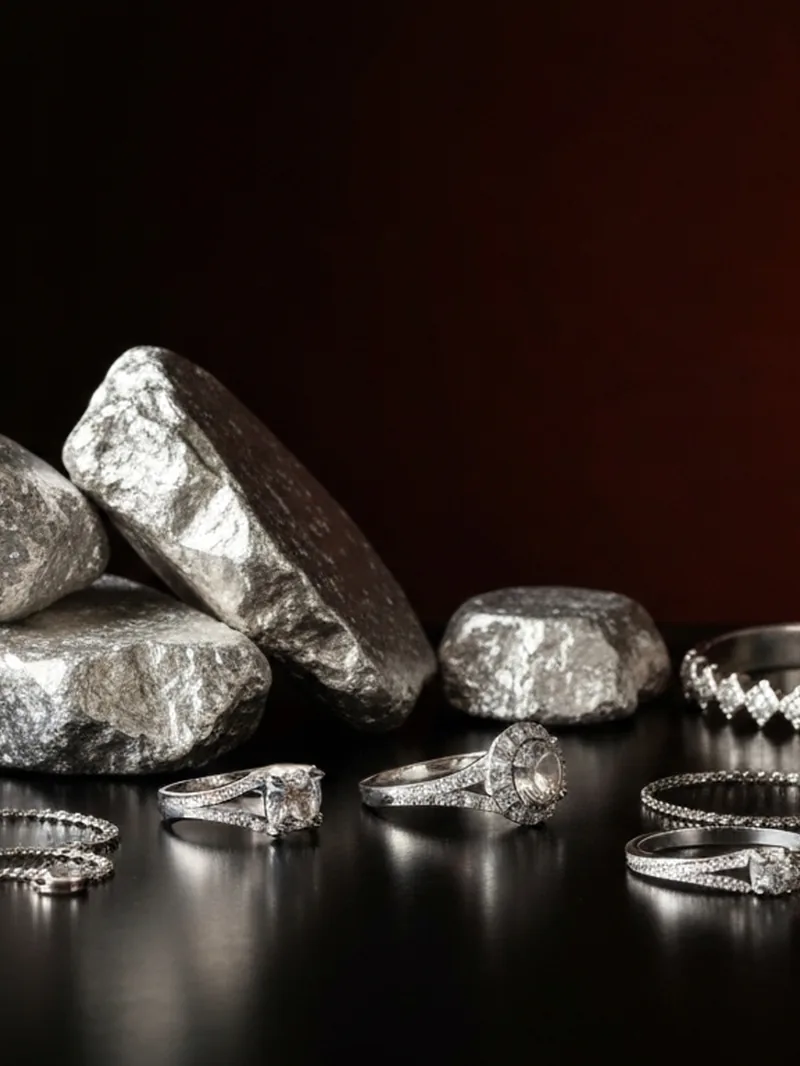
- Recycled Silver: A growing number of artisans are utilising recycled sterling silver, reducing the demand for newly mined metals and decreasing environmental disruption. This aligns with the emerging trend for sustainable bali artisan jewelry made from recycled silver.
- Responsibly Sourced Pearls and Shells: Ensuring that pearls are cultivated in ways that do not harm marine ecosystems and that shells are collected ethically, often as a by-product of sustainable fishing or from natural beach finds, is paramount. Handcrafted bali shell and natural pearl necklace summer 2027 pieces benefit from this approach.
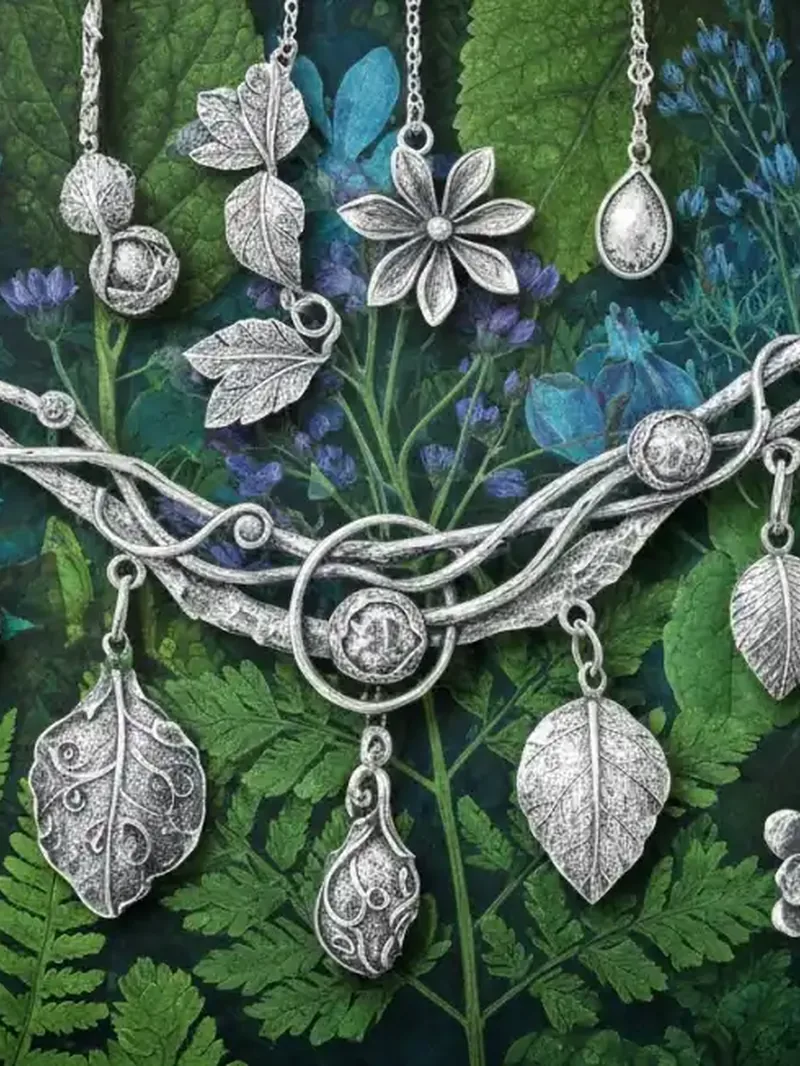
- Natural and Organic Materials: The preference for natural, organic materials extends to everything from wood to semi-precious stones, with an emphasis on local sourcing to reduce carbon footprints. Wire wrapped bali semiprecious stone pendant imperfection style jewellery often exemplifies this.
- Minimised Waste: Artisans are increasingly adopting practices that minimise waste during production, from efficient cutting of metals to repurposing scraps.
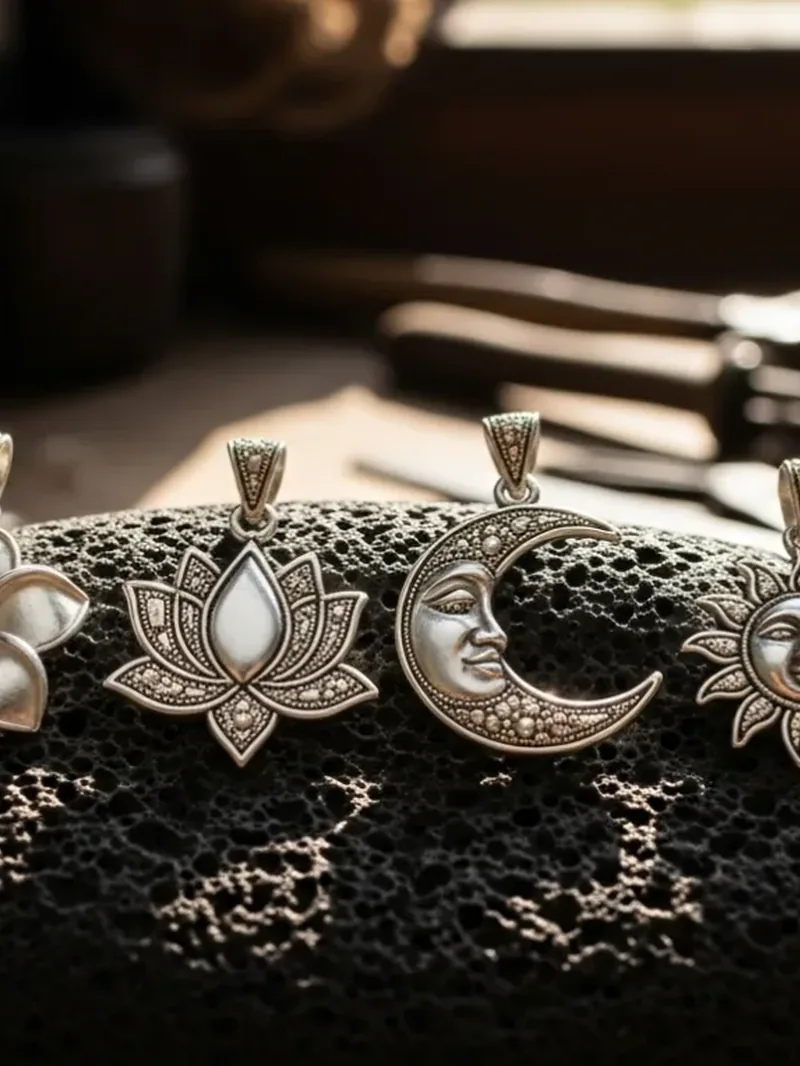
The price range for these items reflects the dedication to sustainable practices and artisan skill. Entry-level handmade Bali items, such as simple silver rings or shell pendants, typically range from $30.78 to $55. However, designer artisan pieces featuring pearls or complex wire-work, which often embody these sustainable principles, can exceed $150.
Fair Trade Bali Handmade Jewelry: Empowering Artisans
Fair trade is another critical component of conscious consumerism. It ensures that artisans receive equitable compensation for their skills and labour, allowing them to support their families and communities. The average daily wage for a skilled artisan in Bali, for example, is around $10-$15, which, while seemingly modest, represents a significant income in the local economy when guaranteed through fair trade agreements.
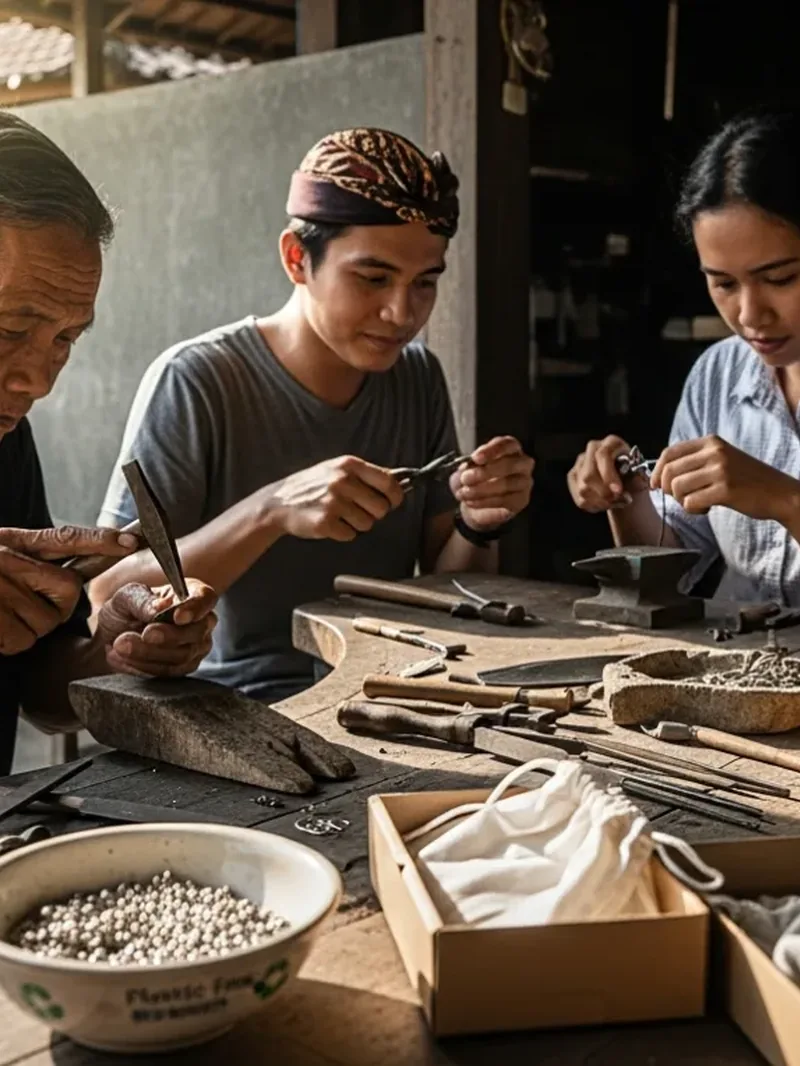
Fair trade bali handmade jewelry initiatives often go beyond wages, offering safe working conditions, opportunities for skill development, and access to healthcare. This empowerment fosters a sustainable artisan community, ensuring that traditional craft techniques are preserved and passed down through generations.
2027 Note: The increasing sophistication of supply chain tracking technologies, including blockchain, is set to provide unprecedented transparency regarding the origins and ethical journey of Bali handmade jewelry. This will empower consumers further to verify claims of sustainability and fair trade, solidifying the market for truly ethical brands.
Connecting with Authenticity: Artisan Craftsmanship
The allure of Bali handmade jewelry lies not only in its aesthetic appeal but also in the story of its creation. Consumers are increasingly drawn to pieces that carry a sense of authenticity and connection to the artisan. This is reflected in the popularity of items like custom bali artisan birthstone pearl drop earrings sustainable and personalized bali artisan name necklace with tropical shell designs.
The craft itself is deeply ingrained in Balinese culture, with techniques often passed down through generations within families and communities. For instance, the traditional silver-making villages of Celuk and Mas have been centres of jewellery production for centuries, contributing significantly to the island’s export economy. In fact, jewellery exports from Bali represent approximately 6.5% of Indonesia’s total jewellery exports, highlighting the island’s significant contribution to the global market.
The tactile nature of handmade items also resonates strongly with consumers, a trend predicted to intensify by 2027. Handmade bali sterling silver oxidized organic ring SS2027 pieces, for example, offer unique textures and forms that machine-made items cannot replicate. Similarly, bali handmade jewelry haptic design micro-lighting bracelet designs speak to a desire for sensory engagement with objects. For those interested in seeing more of Bali’s vibrant culture, our family-friendly Komodo Labuan Bajo tour packages offer deeper insights into the regional influences that inspire such artistry.
The Impact of Conscious Choices
Choosing ethical Bali handmade jewelry extends beyond personal adornment; it is an act of support for sustainable development and cultural preservation. When consumers opt for items like ethical bali handmade jewelry gift for independent women, they are investing in the livelihoods of artisans and the future of traditional crafts. This preference for meaningful gifts is particularly pronounced during peak sales seasons, which for Bali jewelry, occur during Spring/Summer (March–August) and again from November–December, coinciding with major gifting holidays.
The global reach of Bali’s craft is extensive. Approximately 70-75% of Bali’s handmade jewelry is exported to international markets, primarily the US, Europe, and Australia, underscoring the worldwide appreciation for this unique artistry. Each purchase contributes directly to a system that values human skill and ecological responsibility.
Furthermore, the desire for unique, artisanal pieces means that trends like ergonomic modular bali gold stacking rings for women and custom bali handcrafted parametric design 3D printed jewelry are gaining traction. These demonstrate a blend of traditional craftsmanship with contemporary design principles, appealing to a diverse range of tastes while maintaining an ethical foundation. Discover more about the intricate processes involved in creating these pieces by exploring our collection of authentic Balinese handcrafted jewellery.
FAQ
What role does conscious consumerism play when choosing ethical Bali handmade jewelry?
Conscious consumerism plays a pivotal role by guiding purchasing decisions towards products that are ethically produced, environmentally responsible, and socially beneficial. It involves actively seeking out brands that offer transparency in their supply chains, ensure fair wages and safe working conditions for artisans, and utilise sustainable materials. This approach encourages consumers to consider the broader impact of their choices beyond just the aesthetic appeal or price, fostering a market that values integrity and sustainability in the Bali handmade jewelry sector.
How can I ensure the Bali handmade jewelry I buy is genuinely ethical and sustainable?
To ensure your Bali handmade jewelry is genuinely ethical and sustainable, look for brands that provide clear information about their sourcing practices, artisan partnerships, and environmental policies. Seek certifications from recognised fair trade organisations, if available, or brands that are transparent about their direct relationships with artisan communities. Inquire about the origin of materials, such as recycled silver or ethically sourced pearls. Authentic ethical brands often share stories of their artisans and the positive impact of their work, offering a level of transparency that builds trust.
What are the typical price differences between ethically sourced and non-ethically sourced Bali handmade jewelry?
Ethically sourced Bali handmade jewelry often carries a slightly higher price point compared to non-ethically sourced items, primarily due to the costs associated with fair wages for artisans, investment in sustainable materials (like recycled silver), and adherence to environmentally responsible production methods. While entry-level ethical pieces might start around $30.78-$55, designer artisan pieces, which often embody these ethical principles, can exceed $150. This difference reflects the true cost of production when human labour is fairly compensated and environmental impact is mitigated, ensuring a sustainable future for both artisans and the craft.