By Bali Hand Made Jewelry Editorial Desk
Bali handmade jewelry with shells, alongside pieces featuring pearls, maintains its strong appeal in 2027 due to evolving consumer preferences for sustainable, haptic, and personalised items. The natural origins and unique textures of shells and pearls align perfectly with the desire for authentic, handcrafted adornments that tell a story, reflecting a global shift towards conscious consumption and individual expression.
Bali Handmade Jewelry with Shells & Pearls: A 2027 Perspective
As we approach 2027, the landscape of fine accessories continues its evolution, yet certain elements retain an unwavering allure. Among these, Bali handmade jewelry, particularly pieces incorporating shells and pearls, stands out. The enduring appeal of these materials is not merely aesthetic; it is deeply rooted in contemporary consumer values that prioritise authenticity, sustainability, and a connection to nature. For 2027, the emphasis on tactile experiences, modularity in design, and the verifiable provenance of materials will further solidify their position in the market.
The inherent beauty of a natural pearl, or the intricate patterns of a tropical shell, offers a stark contrast to mass-produced items. This distinction is precisely what discerning buyers seek in 2027. They desire items that are not just beautiful, but possess a narrative, a craftsmanship that speaks of individual skill and dedication. This shift explains the consistent demand for bespoke items like a custom Bali artisan birthstone pearl drop earrings sustainable, or a handcrafted Bali shell and natural pearl necklace summer 2027, indicating a clear trajectory for personalised, ethically sourced adornments.
The Craftsmanship Behind Ocean-Inspired Bali Jewelry
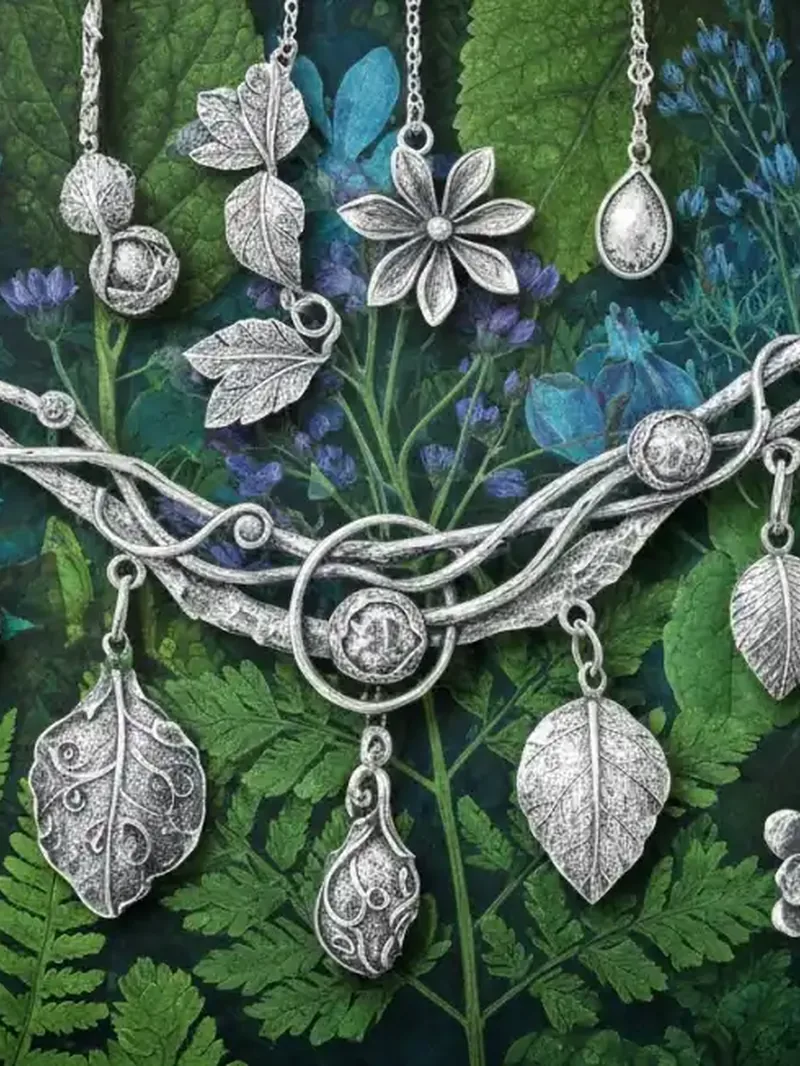
Bali’s artisan community has long been celebrated for its exceptional skill in working with precious metals and natural elements. The island’s rich cultural heritage provides a fertile ground for the creation of unique, ocean inspired Bali jewelry. This expertise is particularly evident in the intricate wire-wrapped Bali semiprecious stone pendant imperfection style pieces, where the deliberate embrace of organic forms and natural variations adds to their charm. The concept of ‘imperfection style’ itself is a nod to the authenticity that 2027 consumers actively seek, moving away from hyper-polished uniformity towards characterful, individual pieces.
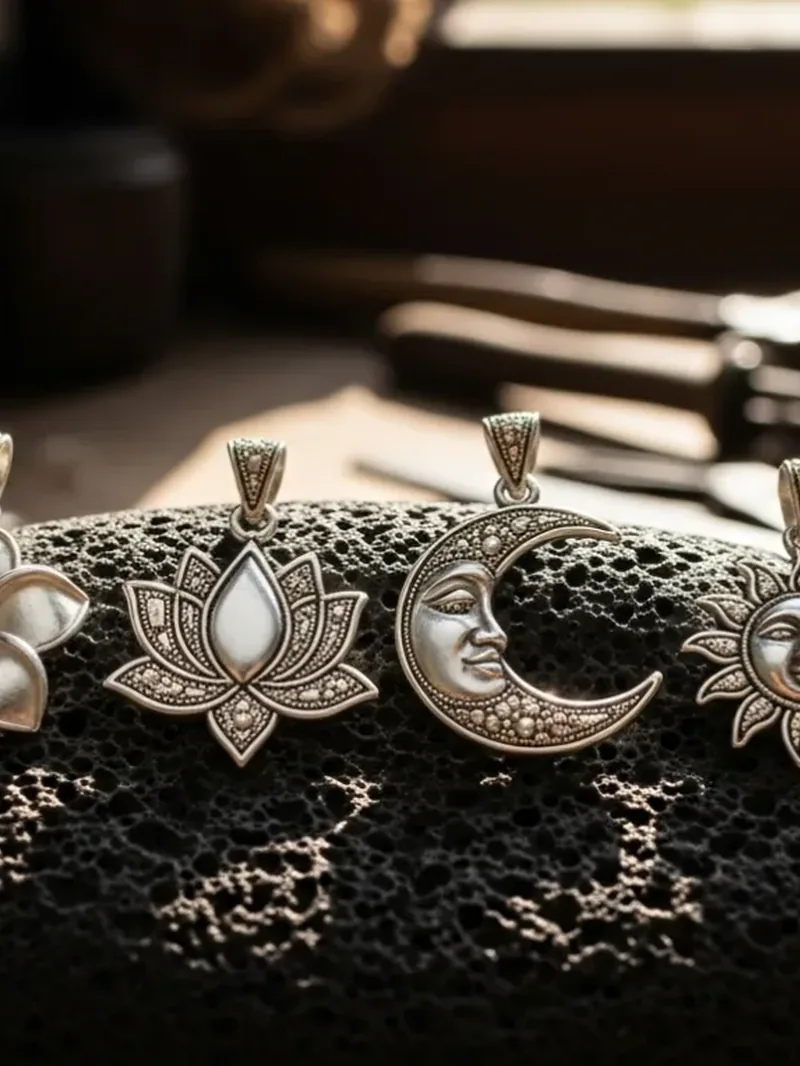
Consider the delicate work involved in a dainty Bali handmade silver layering necklace for summer, or the bold statement of an oversized Bali handmade cuff bracelet. Each piece reflects hours of meticulous work, often employing traditional techniques passed down through generations. The value is not just in the materials, but in the human touch, the artisan’s unique interpretation of design. This commitment to traditional methods, even when integrated with modern design principles like algorithmic form organic metal texture, ensures that Bali handmade jewelry remains at the forefront of artisan craft.
Sustainability and Ethical Sourcing in 2027
The increasing focus on sustainability is profoundly influencing consumer choices. In 2027, buyers are more informed and conscientious than ever, actively seeking out brands that align with their ethical values. This trend directly benefits the Bali handmade jewelry sector, particularly those artisans committed to responsible practices. The appeal of a sustainable Bali artisan jewelry made from recycled silver, or an ethical Bali handmade jewelry gift for independent women, resonates deeply with this demographic. The transparency in sourcing and production processes is no longer a niche concern but a mainstream expectation.
The use of natural shells, often by-products of the local fishing industry, and cultured pearls, which are renewable resources, further enhances the sustainable profile of this jewelry. This responsible approach ensures that the beauty of these adornments does not come at an environmental cost, a critical consideration for the 2027 market. For those interested in exploring sustainable options, our selection of handcrafted items offers a range of ethically produced choices.
Tactility and Modularity: Key Trends for 2027
Beyond aesthetics, 2027 trends highlight the importance of tactility and modularity in jewelry design. Consumers desire pieces they can interact with, that feel good against the skin, and that offer versatility. An ergonomic modular Bali gold stacking rings for women, for instance, speaks directly to this need. The ability to combine and reconfigure pieces allows for personal expression and adapts to various occasions, making the jewelry more functional and appealing.
New innovations, such as the Bali handmade jewelry haptic design micro-lighting bracelet, suggest an exciting future where jewelry does more than just adorn. It engages the senses, offering unique tactile experiences. This focus on sensory engagement, combined with the timeless elegance of natural materials, positions Bali handmade jewelry with shells and pearls as a truly forward-thinking choice for 2027.
2027 Note: The market for Bali handmade jewelry is projected to continue its steady growth, with a particular emphasis on pieces that offer both aesthetic appeal and verifiable ethical production. The integration of traditional craftsmanship with contemporary design principles, such as parametric design and algorithmic forms, will be crucial for capturing the attention of a digitally native and environmentally conscious consumer base.
Market Dynamics and Pricing in 2027
The market for Bali handmade jewelry is dynamic, with pricing reflecting the intricate craftsmanship and material quality. Entry-level items, such as simple silver rings or shell pendants, typically range from $30.78 to $55. These pieces offer an accessible entry point into the world of artisan jewelry. However, designer artisan pieces, particularly those featuring pearls or complex wire-work, often exceed $150, reflecting the higher value of materials and the intricate skill involved. The highest sales volume for Bali jewelry typically occurs during Spring/Summer (March–August), aligning with global travel trends and gifting seasons. This peak season is often accompanied by increased interest from tourists visiting destinations such as Komodo and Labuan Bajo, where family-friendly Komodo Labuan Bajo tour packages 2027 are increasingly popular, driving demand for locally sourced artisan goods.
Geographically, while Bali remains the primary production hub, the distribution extends globally. Key international markets include the USA, Australia, and Western Europe, where there is a strong appreciation for handcrafted, ethically produced items. This global reach, supported by robust e-commerce platforms, ensures that Bali’s artisanal heritage continues to thrive and reach a broad audience.
FAQ
Why are shells and pearls remaining a strong trend in Bali handmade jewelry for 2027?
Shells and pearls remain strong trends in Bali handmade jewelry for 2027 due to their natural beauty, inherent sustainability, and unique tactile qualities. Consumers increasingly value authentic, handcrafted items that connect them to nature and offer a sense of individuality, aligning perfectly with the organic appeal of these materials. The growing emphasis on ethical sourcing and responsible production also elevates the desirability of natural elements.
What makes Bali handmade jewelry unique in terms of design for 2027?
Bali handmade jewelry distinguishes itself in 2027 through a blend of traditional craftsmanship and modern design sensibilities. Artisans are incorporating emerging trends like haptic design, modularity, and even algorithmic forms, while retaining the organic textures and hand-finished imperfections that are hallmarks of Balinese artistry. This fusion creates pieces that are both timeless and relevant to contemporary tastes.
How does sustainability factor into the appeal of Bali handmade jewelry with shells and pearls in 2027?
Sustainability is a crucial factor for the appeal of Bali handmade jewelry with shells and pearls in 2027. Many artisans utilise recycled silver and ethically sourced natural materials, including shells which are often by-products, and cultured pearls. This commitment to responsible production practices resonates with environmentally conscious consumers who prioritise ethical sourcing and a minimal ecological footprint in their purchasing decisions.