By Bali Hand Made Jewelry Editorial Desk
Yes, Bali handmade jewelry can certainly be worth buying in 2027, particularly when focusing on artisan-crafted pieces with durable materials and unique designs. The market continues to value authenticity, sustainability, and intricate craftsmanship, making select Bali handmade jewelry a potentially sound acquisition for both personal enjoyment and future appreciation.
Assessing Bali Handmade Jewelry Value in 2027
The landscape for artisan crafts evolves, and Bali handmade jewelry is no exception. As we approach 2027, the discerning buyer is increasingly focused on intrinsic value, longevity, and ethical sourcing. The question, then, isn’t merely ‘is Bali handmade jewelry worth buying?’ but rather, ‘what specific types offer the best long-term value Bali jewelry?’
Current market trends, projected into 2027, highlight a strong preference for items that tell a story, boast tactile qualities, and integrate sustainable practices. This aligns perfectly with the core tenets of Balinese craftsmanship, which often features natural materials and traditional techniques passed down through generations. The value proposition is strengthened by the global push towards conscious consumption, where mass-produced items lose favour to unique, handcrafted alternatives.
Key Value Drivers for Bali Jewelry in 2027
Several factors contribute to the enduring appeal and potential long-term value of Bali handmade jewelry:
- Authentic Craftsmanship: Hand-forged silver, meticulously wire-wrapped stones, and hand-carved shells represent a level of skill that cannot be replicated by machinery. This authenticity is a significant draw.
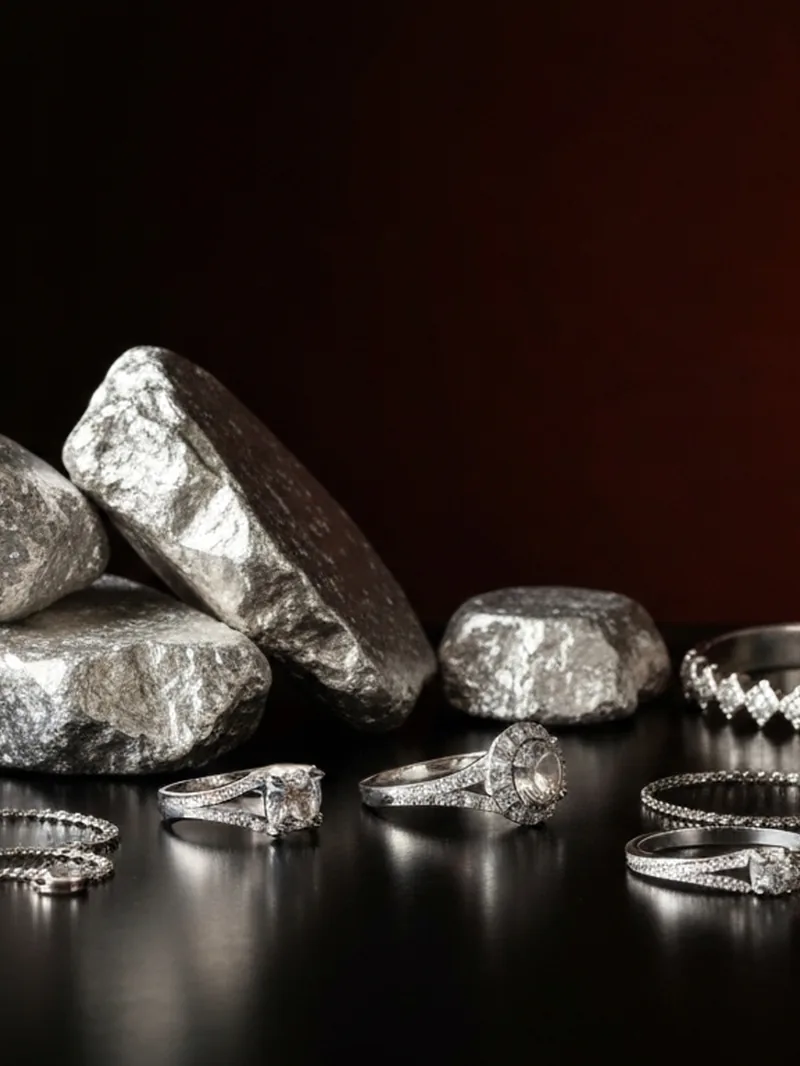
- Material Quality: Sterling silver (92.5% pure silver), genuine pearls, and natural shells maintain their appeal and durability over time.
- Unique Design: Balinese artisans often incorporate organic forms, traditional motifs, and contemporary interpretations that result in distinctive, one-of-a-kind pieces.
- Sustainability & Ethical Sourcing: The increasing transparency in supply chains means jewellery crafted from recycled silver or ethically sourced pearls holds greater appeal and value.
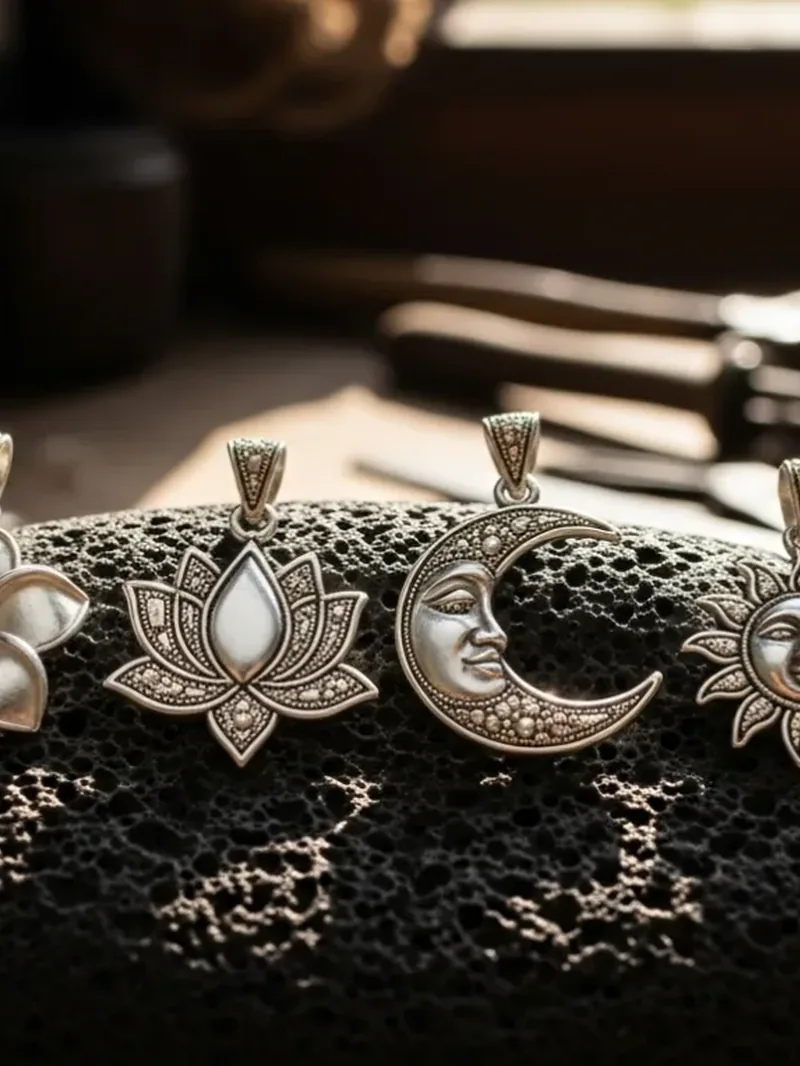
- Cultural Significance: Many designs are imbued with Balinese cultural symbolism, adding a layer of meaning and historical context.
Emerging Trends & Investment Potential for 2027
Looking ahead to 2027, specific design and material combinations are poised for particular recognition. Buyers are seeking tangible qualities and personalized touches. Here are some areas where Bali handmade jewelry is expected to excel:
Tactile & Organic Forms
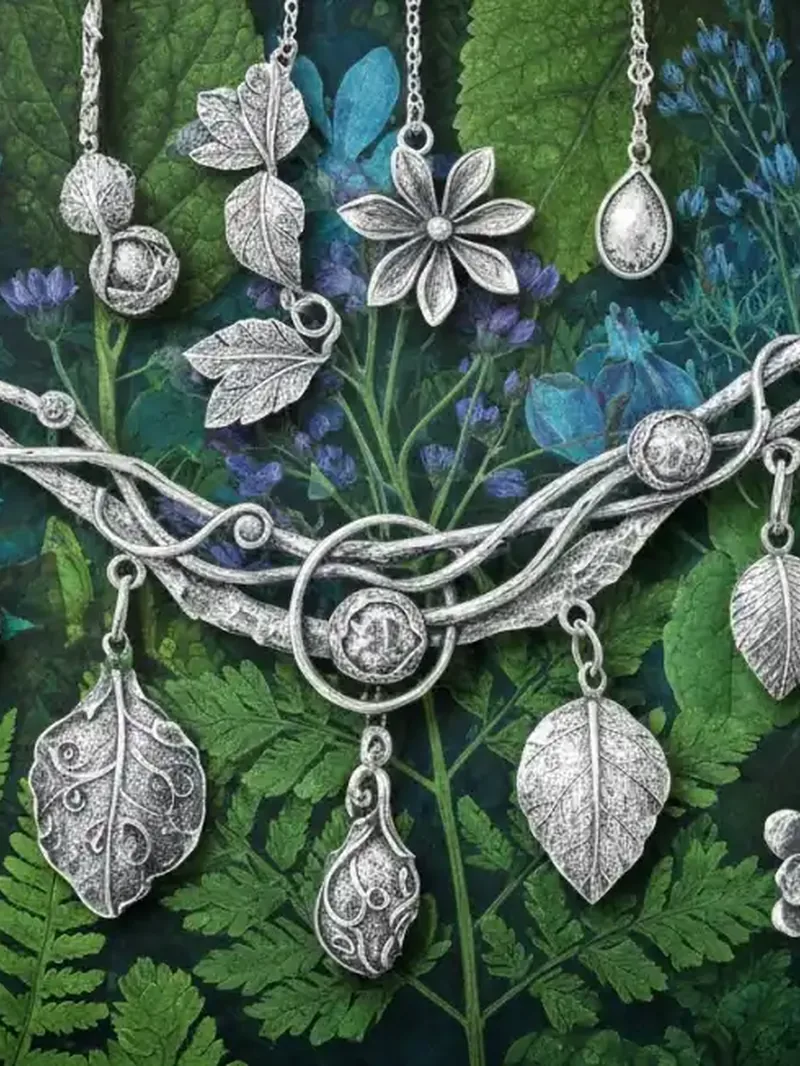
The desire for jewellery that engages the senses is growing. Items like a handmade bali sterling silver oxidized organic ring SS2027, with its textured surface and unique form, directly address this trend. Similarly, handmade bali jewelry algorithmic form organic metal texture pieces, where natural imperfections are celebrated, are gaining traction. These designs offer a haptic experience beyond mere visual appeal, making them memorable and desirable.
Sustainability & Ethical Production
Conscious consumerism will be a dominant force. Jewellery crafted from recycled materials, such as sustainable bali artisan jewelry made from recycled silver, will command a premium. The narrative of ethical sourcing, especially for pearls and shells, is crucial. This extends to pieces like ethical bali handmade jewelry gift for independent women, where the production story adds significant value.
Modularity & Personalisation
The ability to adapt and personalise jewellery is another key trend. Ergonomic modular bali gold stacking rings for women offer versatility, allowing wearers to create unique combinations. Similarly, bespoke items like a custom bali artisan birthstone pearl drop earrings sustainable or a personalized bali artisan name necklace with tropical shell provide an intimate connection, making them more than just an accessory.
Focus on Natural Materials & Imperfection
Natural elements remain central. A handcrafted bali shell and natural pearl necklace summer 2027 or a handmade bali turquoise and pearl stacking ringSet artisan speaks to the enduring appeal of nature’s beauty. There’s also a rising appreciation for imperfection, as seen in wire wrapped bali semiprecious stone pendant imperfection style, which highlights the handmade nature and unique character of each piece.
2027 note: The continued global emphasis on reducing environmental impact and supporting local artisans will bolster the long-term value of authentically crafted Bali handmade jewelry. As digital interactions proliferate, the tangible, unique nature of handcrafted items will become even more prized.
Price Points and Long-Term Value Bali Jewelry
When considering the investment aspect, understanding the typical price range is essential. Entry-level handmade Bali items, such as simple silver rings or shell pendants, usually range from $30.78 to $55. These offer accessible entry into the market and can hold their value for everyday wear. However, designer artisan pieces with pearls or complex wire-work often exceed $150. It’s these higher-end, intricately designed items, particularly those incorporating rare elements or significant artistic merit, that are more likely to offer long-term value appreciation.
The highest sales volume for Bali jewelry typically occurs during Spring/Summer (March–August), coinciding with holiday seasons and increased demand for lighter, more decorative pieces suitable for warmer weather. This seasonal demand can influence pricing, but true investment pieces maintain their desirability year-round.
The concentration of skilled silversmiths in areas like Celuk, Bali, contributes to the consistent quality and availability of materials. This regional specialisation helps maintain the integrity of the craft. For a deeper understanding of the unique artistry involved, one might explore the collections at our main site, showcasing diverse Bali handmade jewelry designs.
Considering the global shipping landscape, standard international shipping for Bali handmade jewelry typically takes 10-20 business days. This timeframe should be factored into any purchasing decision, especially for gifts or time-sensitive acquisitions. For those interested in experiencing Bali’s vibrant culture firsthand, perhaps even on a family-friendly Komodo Labuan Bajo tour package in 2027, the opportunity to purchase directly from artisans can offer even greater value and connection to the craft.
Is Bali Handmade Jewelry Worth Buying in 2027? A Concluding Thought
Ultimately, the long-term value of Bali handmade jewelry in 2027 hinges on several factors: the quality of materials, the artistry of the design, the ethical production methods, and its uniqueness. By focusing on artisan-crafted pieces that resonate with the prevailing trends of sustainability, tactility, and personalisation, buyers can make acquisitions that are not only beautiful but also potentially appreciate in value over time.
FAQ
Is buying Bali handmade jewelry a good investment in 2027?
Yes, buying Bali handmade jewelry can be a good investment in 2027, particularly if you select pieces with high-quality materials like sterling silver and genuine pearls, unique artisan designs, and verifiable ethical sourcing. The growing demand for sustainable and authentic handcrafted items supports its long-term value.
What makes Bali handmade jewelry valuable?
The value of Bali handmade jewelry stems from its authentic craftsmanship, the use of quality materials (e.g., sterling silver, natural pearls, shells), unique designs often inspired by Balinese culture, and increasingly, its adherence to sustainable and ethical production practices. These elements contribute to its desirability and longevity.
How can I identify high-quality Bali handmade jewelry?
To identify high-quality Bali handmade jewelry, look for clear sterling silver hallmarks (e.g., "925"), well-executed wire-work or carving, secure stone settings, and a smooth finish. Genuine pearls will have a subtle lustre and slight imperfections. Ask about the origin of materials and the artisan’s process for assurance.